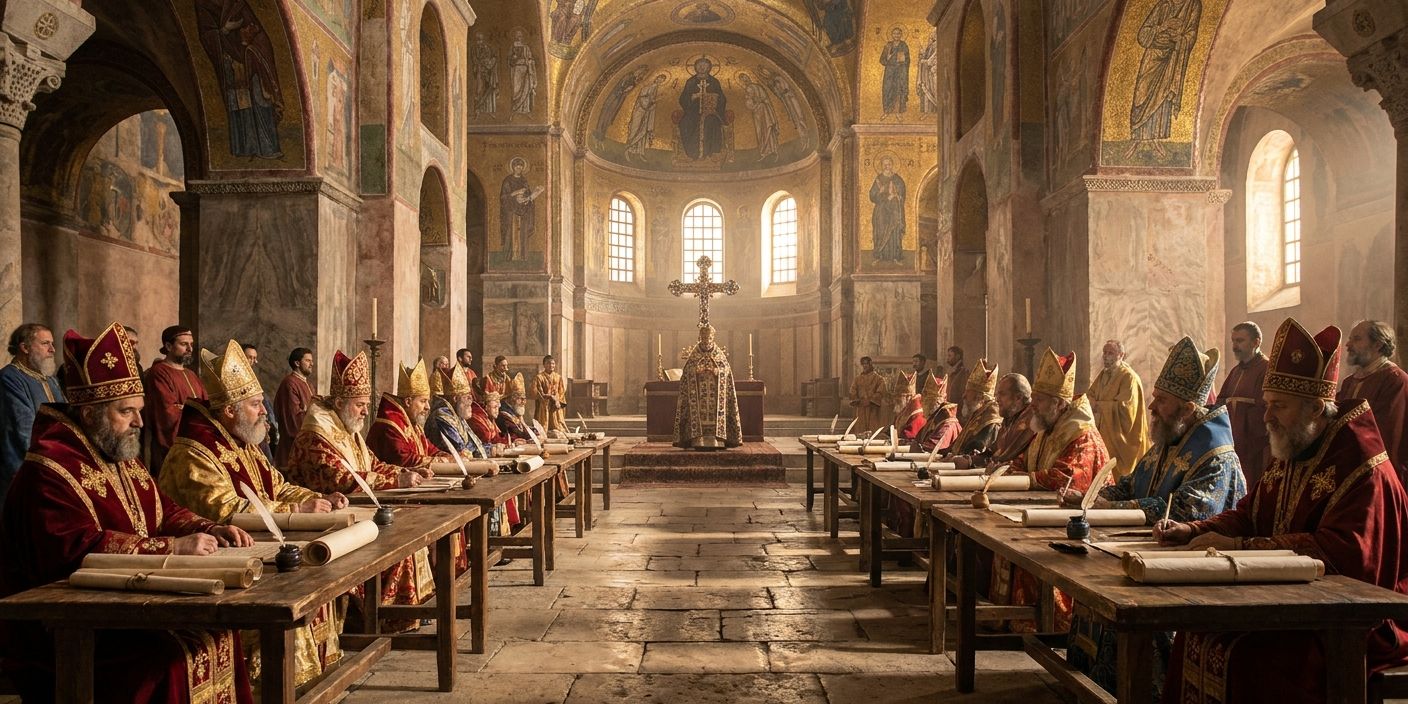
The Nicene Creed was not an academic exercise — it was the church's urgent response to the Arian crisis. Explore why the ancient church wrote it down and why confessing it together still matters.
The Faith Once Delivered
Exploring the historic creeds and confessions that have united the Church through the ages.
The Nicene Creed was not an academic exercise — it was the church's urgent response to the Arian crisis. Explore why the ancient church wrote it down and why confessing it together still matters.

The Modern Confession takes timeless biblical truths and expresses them in language that speaks to contemporary readers. Here's an introduction to this contemporary statement of faith.
Read more →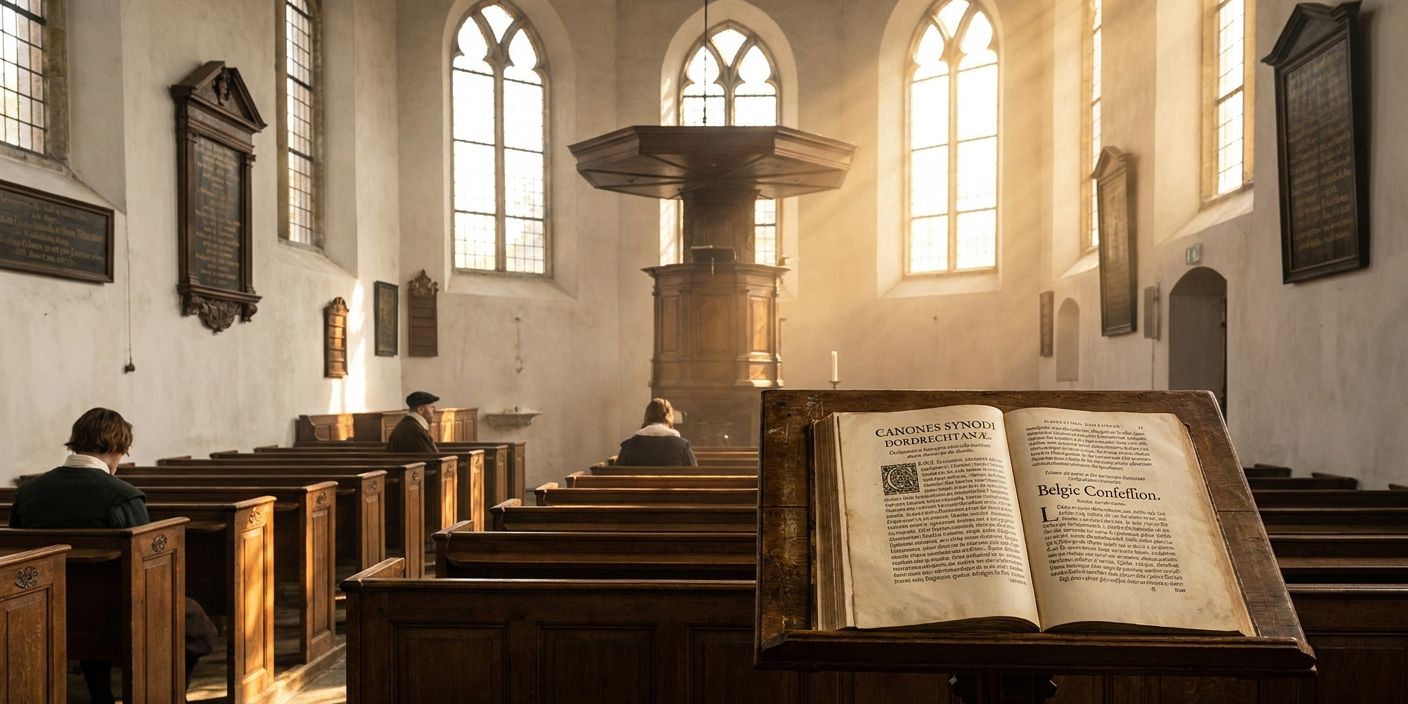
The Canons of Dort (1618-19) responded to the Arminian controversy with a robust defense of sovereign grace. Explore the Five Points in their historical context.
Read more →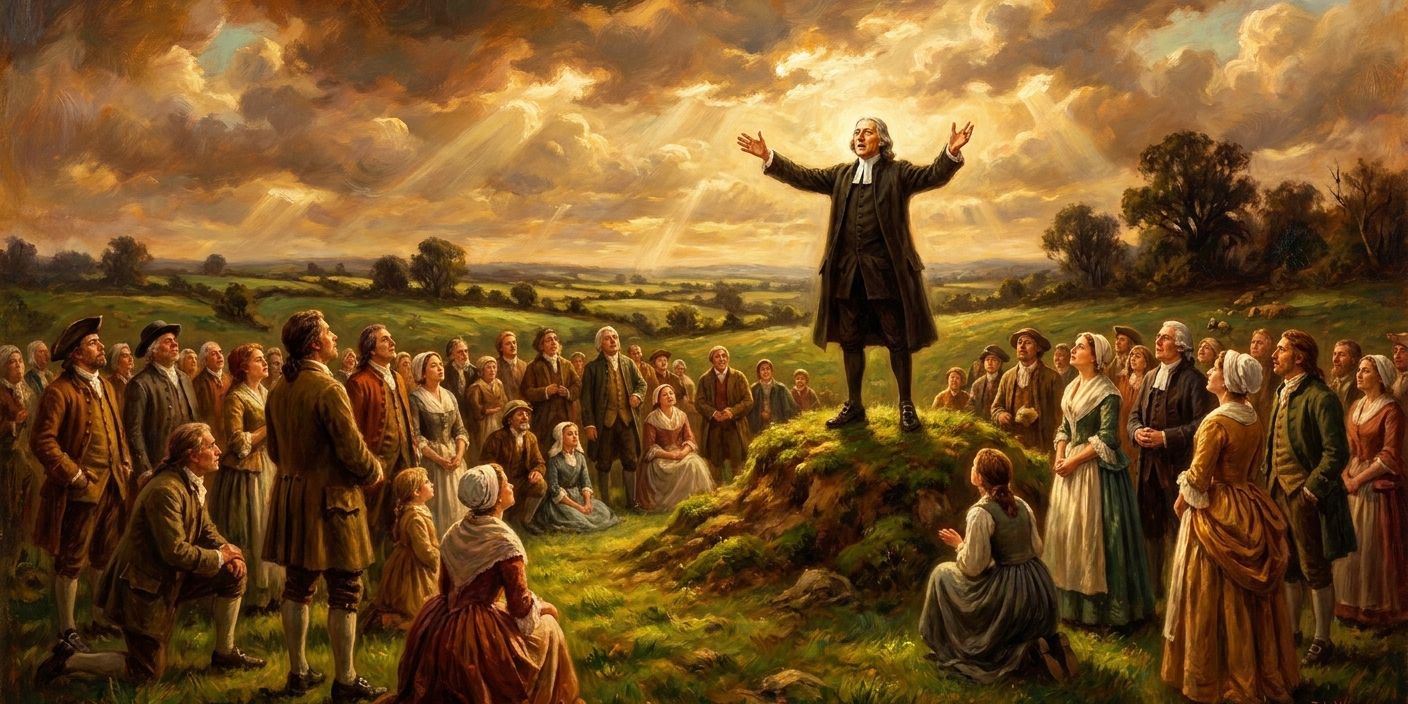
Methodism arose in the eighteenth century through John Wesley's preaching of grace, holiness, and the new birth. Its confessional documents reflect a distinct theological vision that still shapes millions of Christians today.
Read more →
The Lutheran confessional tradition is one of the richest in Protestantism. From the Augsburg Confession to the Book of Concord, here's an overview of what Lutherans confess and why it matters.
Read more →
The Thirty-Nine Articles of Religion are the historic confession of the Church of England, shaping Anglican theology for nearly five centuries. Here's what they teach and why they still matter.
Read more →
Presented to Emperor Charles V in 1530, the Augsburg Confession is the foundational document of Lutheran Christianity. Here's the story behind it and what it teaches.
Read more →
Written in 1561 by Guido de Brès under threat of persecution, the Belgic Confession is one of the Three Forms of Unity and a foundational document for Reformed churches worldwide.
Read more →
Written in 1563, the Heidelberg Catechism remains one of the most beloved confessional documents in Christian history. Structured around guilt, grace, and gratitude, it tells the whole story of salvation.
Read more →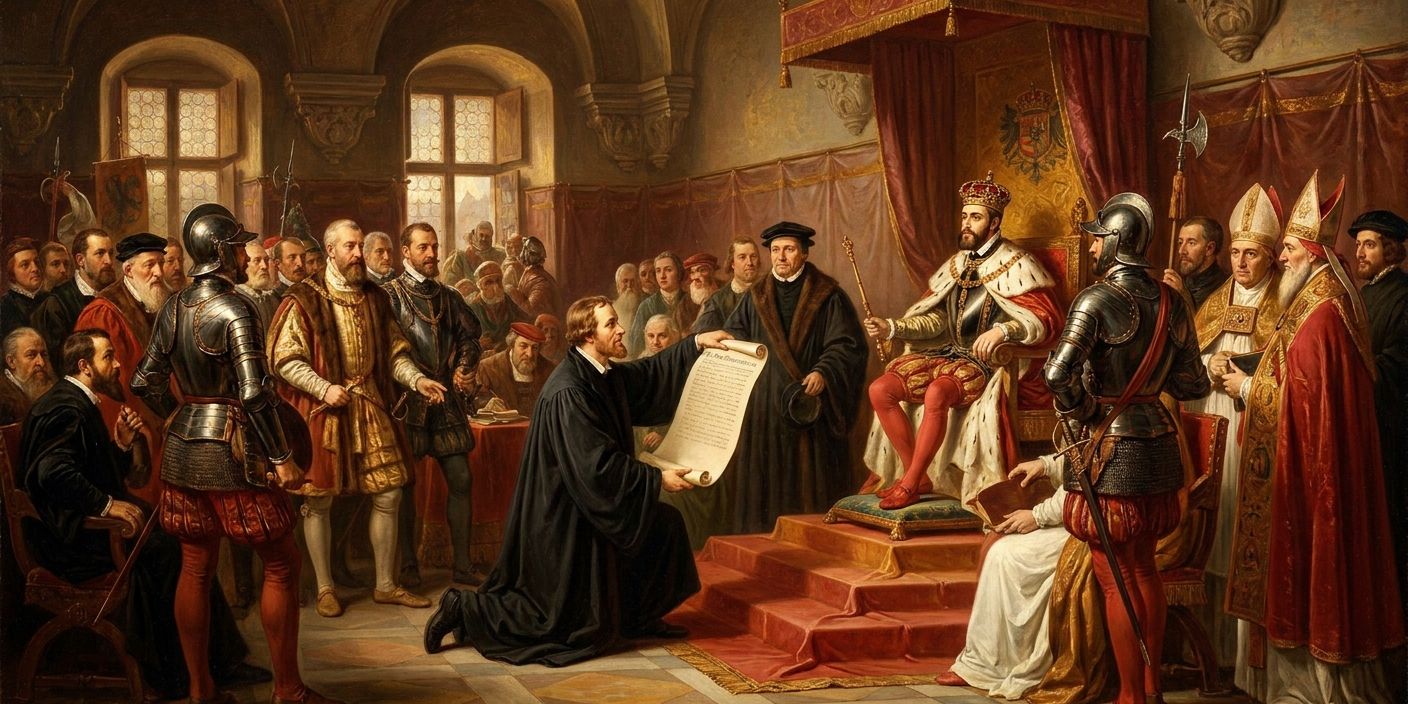
Presented to Emperor Charles V in 1530, the Augsburg Confession is the foundational document of Lutheranism — a bold, irenic attempt to show that Lutheran teaching was nothing other than the ancient Catholic faith.
Read more →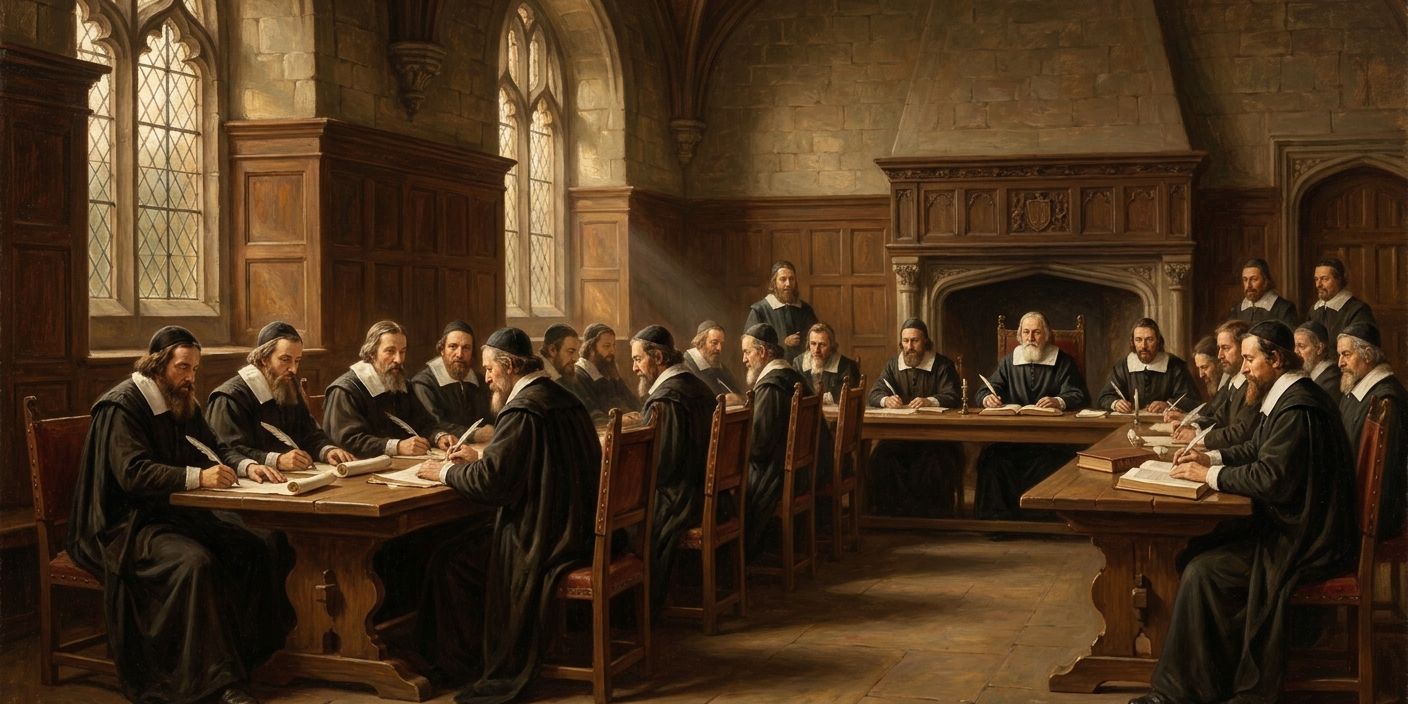
Drafted in 1646, the Westminster Confession of Faith remains the most comprehensive Reformed statement of doctrine ever produced. Here's what you need to know.
Read more →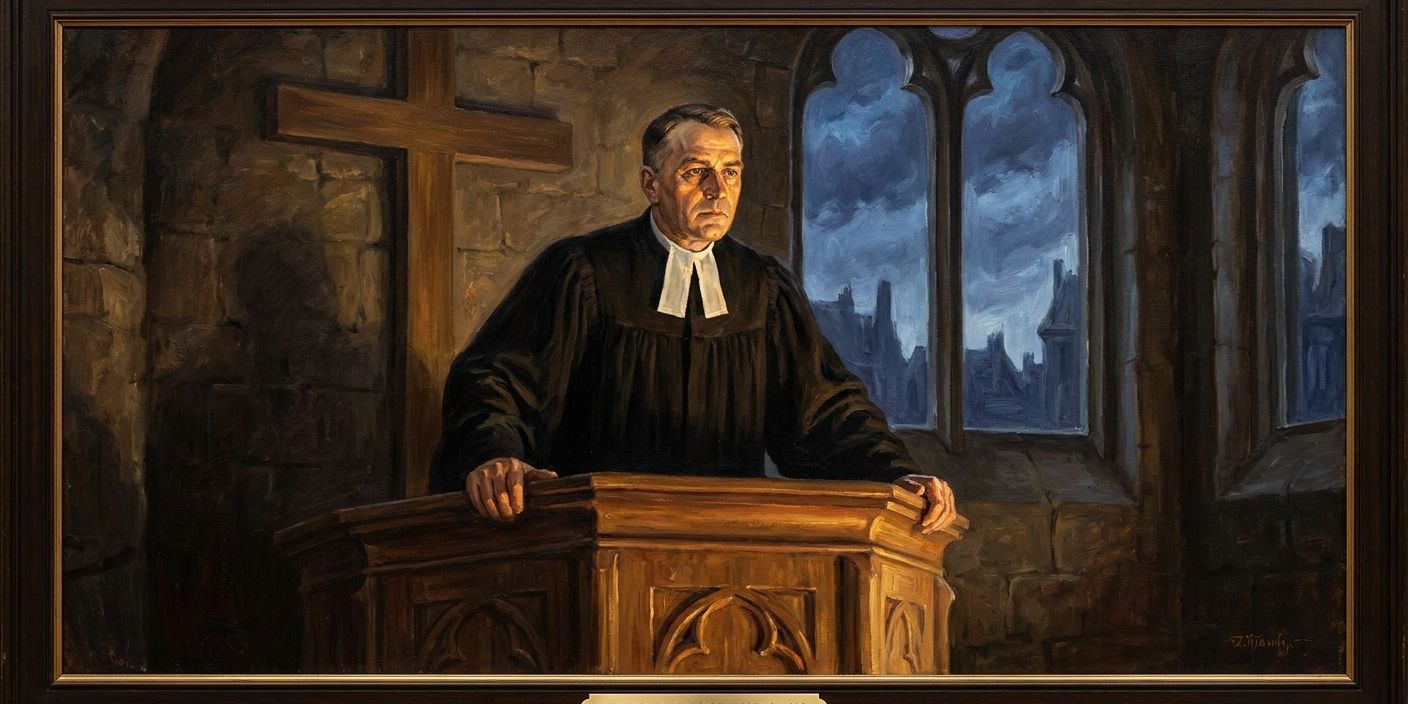
Written in May 1934 in Nazi Germany, the Barmen Declaration is one of the most courageous confessional documents ever produced — a church refusing to bow to a totalitarian state.
Read more →
Not all confessions are created equal. What distinguishes a great confession from a merely adequate one? Here are five marks to look for.
Read more →
Confessions aren't just for theologians. They are one of the most powerful tools available for teaching the Christian faith to the next generation — in the home as well as the church.
Read more →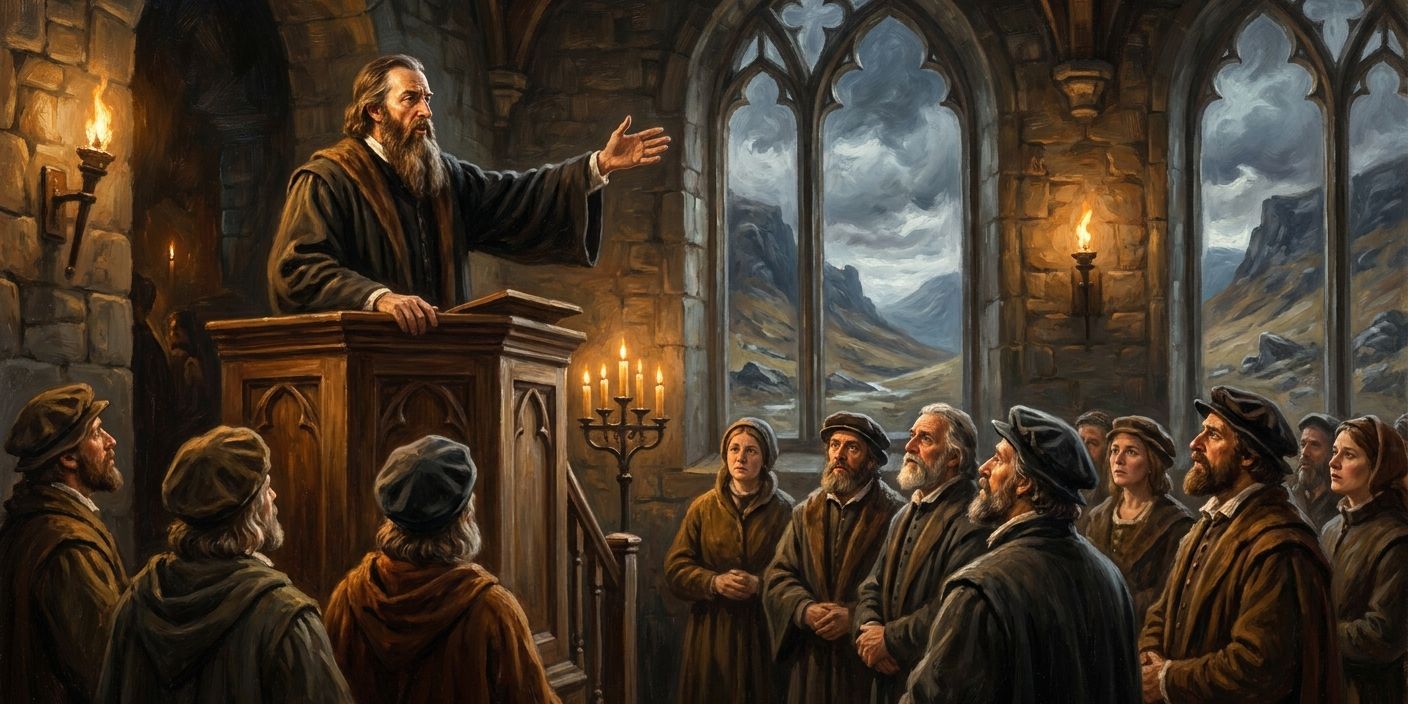
Written in just four days by John Knox and five other ministers, the Scots Confession of 1560 was the founding confessional document of the Church of Scotland — and one of the most passionate confessions ever written.
Read more →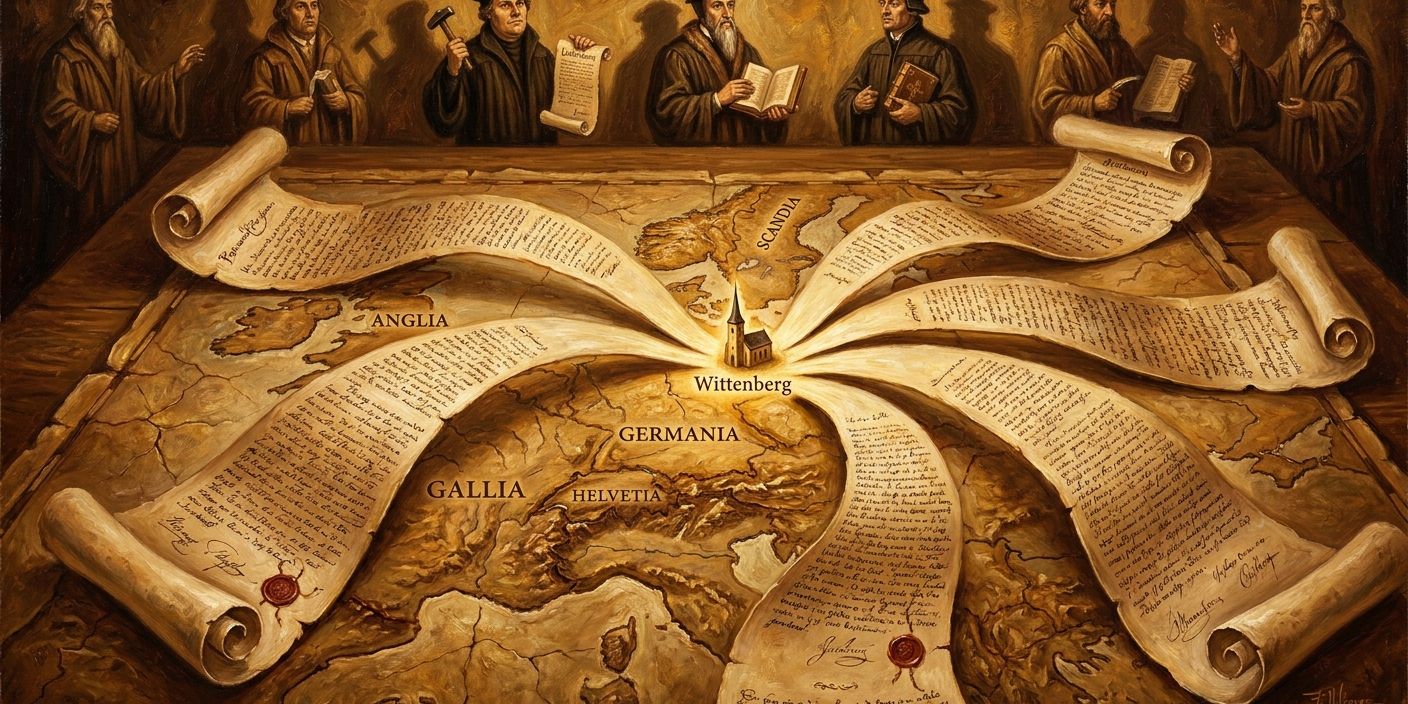
The sixteenth-century Reformation was not just a theological upheaval — it was a confessional explosion. Why did every branch of the Reformation feel compelled to write confessions?
Read more →
The Second London Baptist Confession of 1689 is one of the most important confessional documents in Baptist history — a thoroughly Reformed confession adapted for Baptist ecclesiology.
Read more →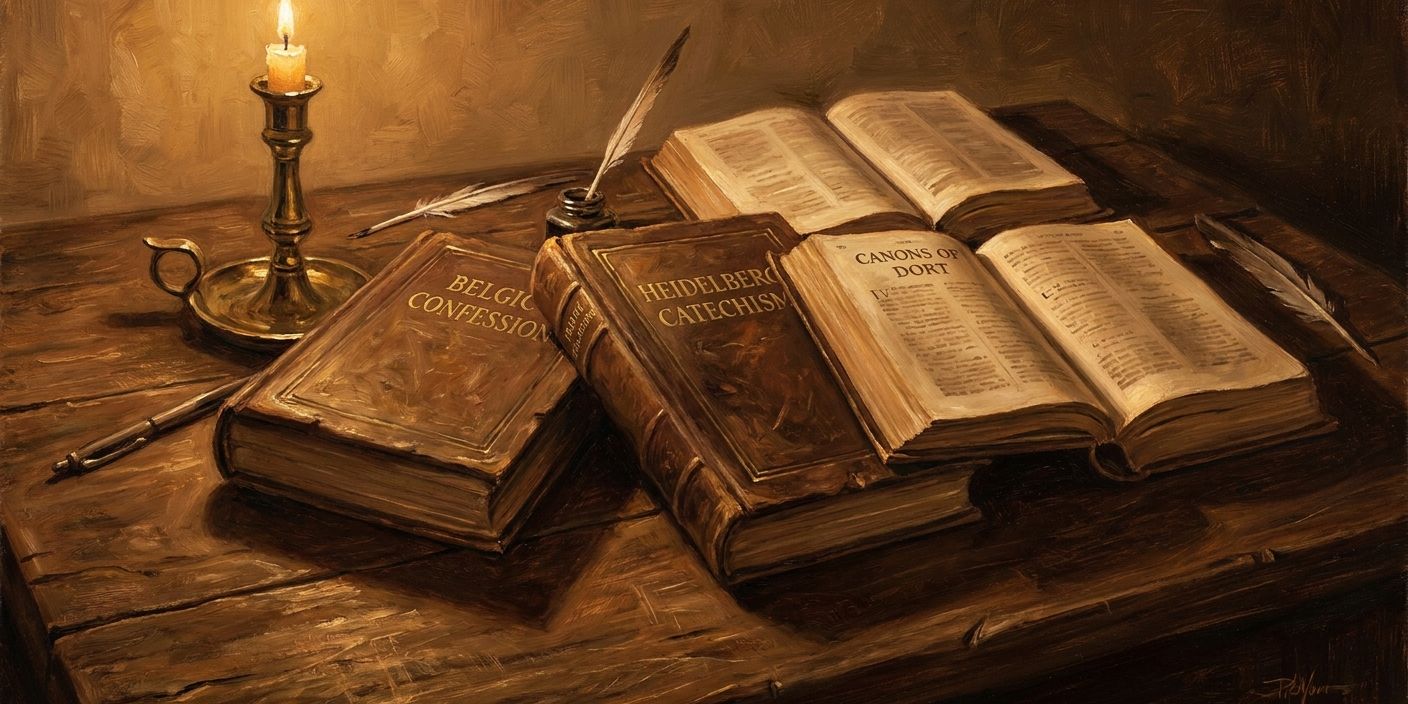
The Belgic Confession, the Heidelberg Catechism, and the Canons of Dort together form the "Three Forms of Unity" — the confessional standards of Reformed churches in the Dutch tradition.
Read more →
Written by 121 divines over five years during the English Civil War, the Westminster Confession of Faith remains the most thorough and influential Reformed confessional document ever produced.
Read more →
People often use "creed" and "confession" interchangeably — but there are meaningful distinctions that illuminate how the Church has expressed its faith across the centuries.
Read more →
A confession of faith is more than a statement of belief — it is the Church's public declaration of what she holds to be true. Here's why confessions have always been essential.
Read more →