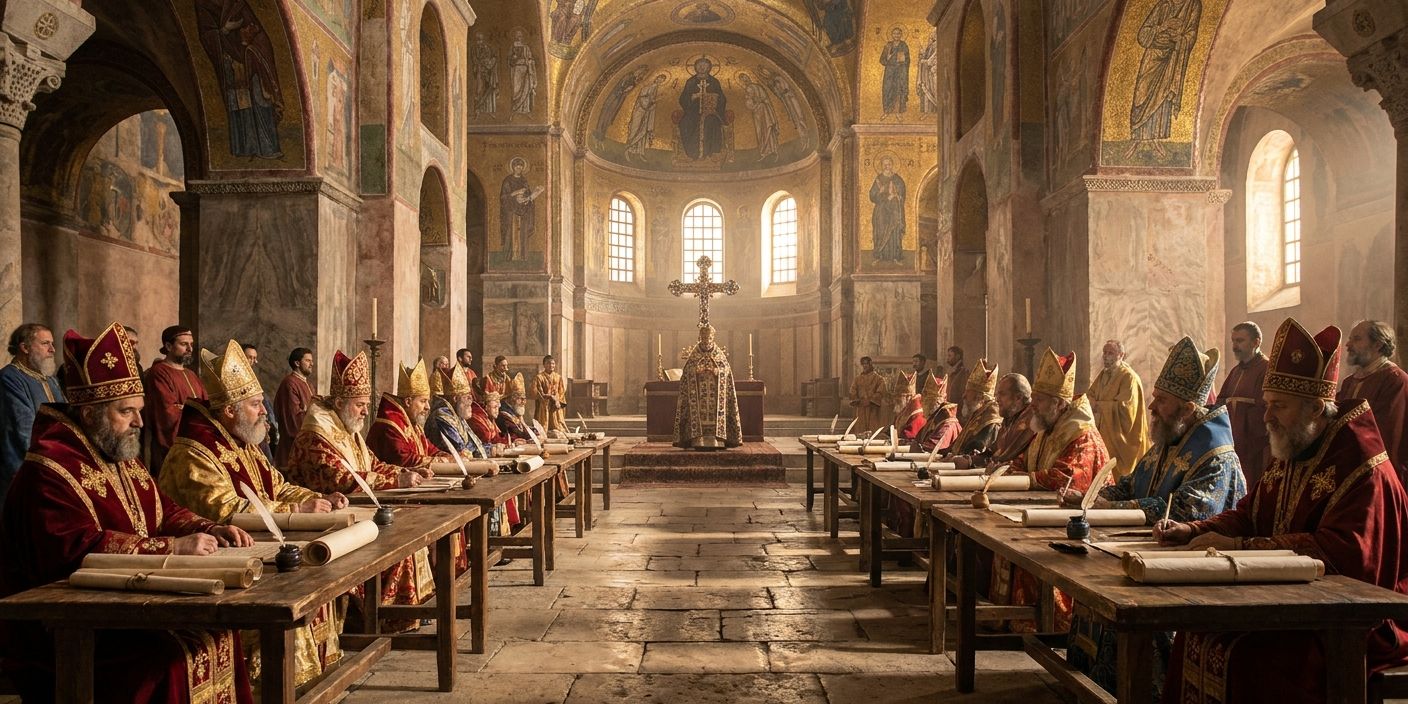
The Methodist Confession: Wesleyan Theology in Plain Language
The Wesleyan Revival
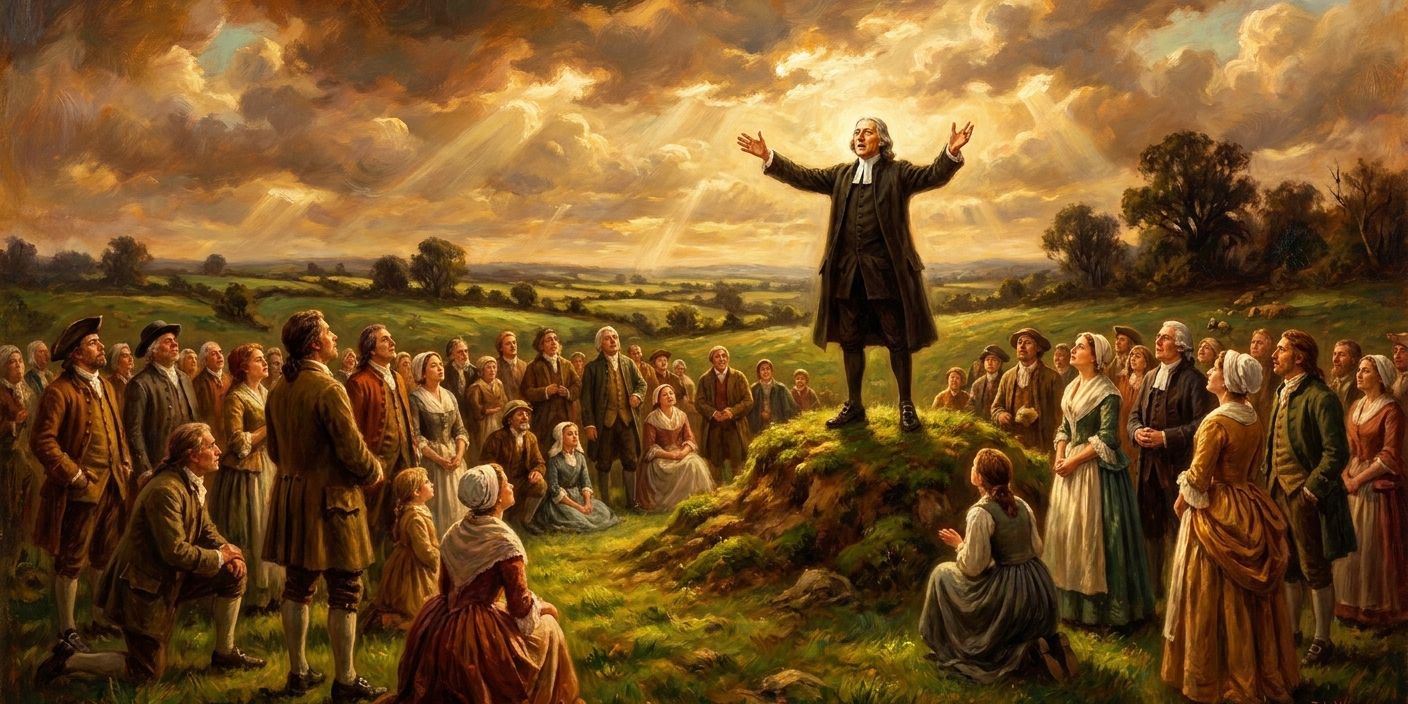
John Wesley (1703–1791) did not intend to found a new denomination. He was an Anglican priest who preached across Britain and America, calling people to new birth, personal holiness, and social transformation. The movement he sparked eventually organized into what we know as Methodist churches.
The Articles of Religion
Wesley adapted the Church of England’s Thirty-Nine Articles into twenty-five articles for American Methodists in 1784. These Articles of Religion cover the standard Protestant doctrines — Scripture, the Trinity, sin, justification, the church, and the sacraments — with a distinctly Wesleyan flavor.
Grace for All
A defining feature of Wesleyan theology is its emphasis on prevenient grace — the idea that God’s grace is given to all people, enabling them to respond to the gospel. Unlike the Calvinist teaching of unconditional election, Wesley taught that God’s election is conditional on faith, and that Christ died for all without exception.
Entire Sanctification
Wesley taught the possibility of entire sanctification — a second definite work of grace in which the heart is cleansed of the root of sin and filled with love for God and neighbor. This teaching gave rise to the Holiness movement and later to Pentecostalism.
Social Holiness
Wesley famously said, “The gospel of Christ knows of no religion but social religion, no holiness but social holiness.” Methodist witness has historically combined personal piety with social concern — founding schools, hospitals, and movements for social reform.
Explore the Methodist Confession
Learn about the Methodist confessional tradition at MethodistConfession.com.