The Modern Confession: Expressing Ancient Faith in Contemporary Words

Why Write a New Confession?
The creeds and confessions of the past remain authoritative and valuable. But language changes, contexts shift, and new questions arise that the ancient documents did not directly address. The Modern Confession attempts to express the faith of the Scriptures in a way that connects with Christians navigating the twenty-first century.
Building on the Historic Tradition
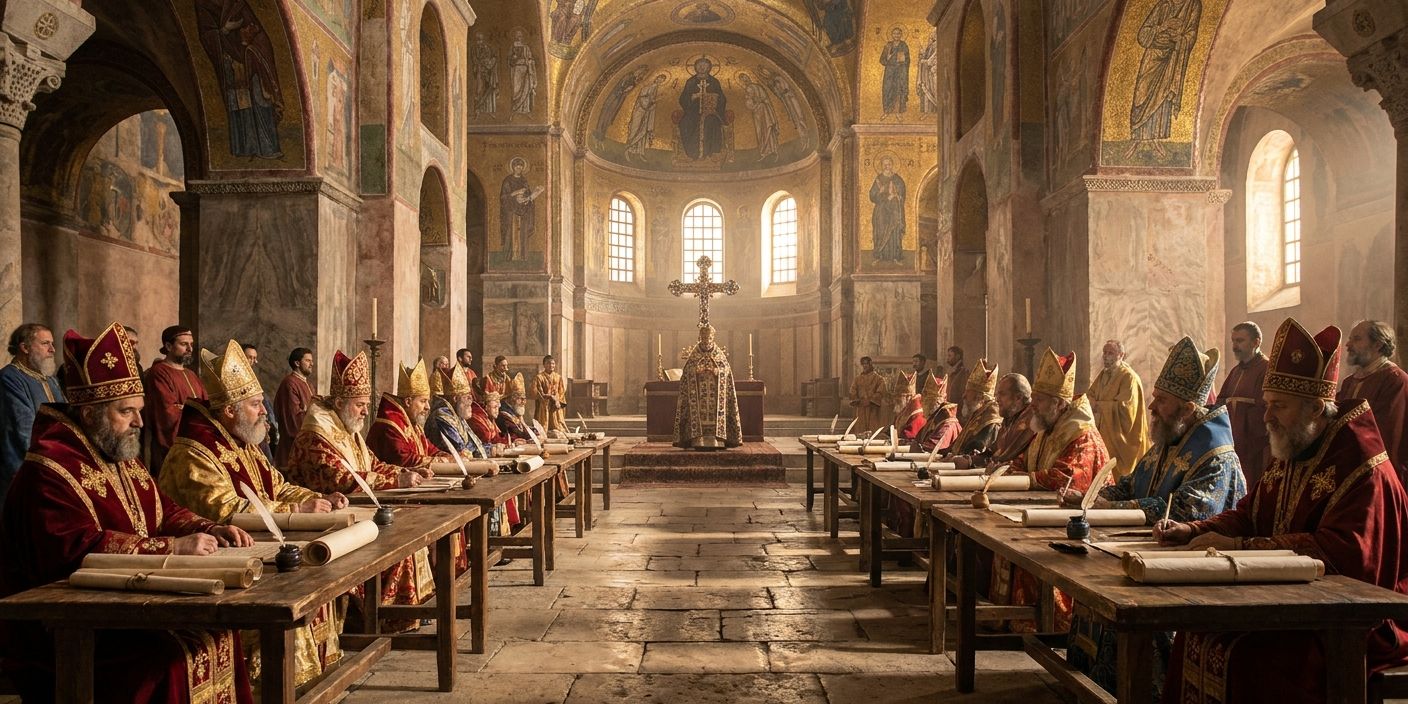
The Modern Confession does not replace the Apostles’ Creed or the Nicene Creed. It stands in continuity with them, affirming the same triune God, the same Lord Jesus Christ, the same death and resurrection, the same Spirit and church. What changes is the framing and language, not the substance.
Addressing Contemporary Questions
Where the early creeds addressed Arianism and Docetism, the Modern Confession engages questions that face the contemporary church — questions about human identity, the reliability of Scripture, the exclusivity of Christ, and the nature of the church in a pluralist world. It seeks to be faithful and clear.
A Tool for Teaching
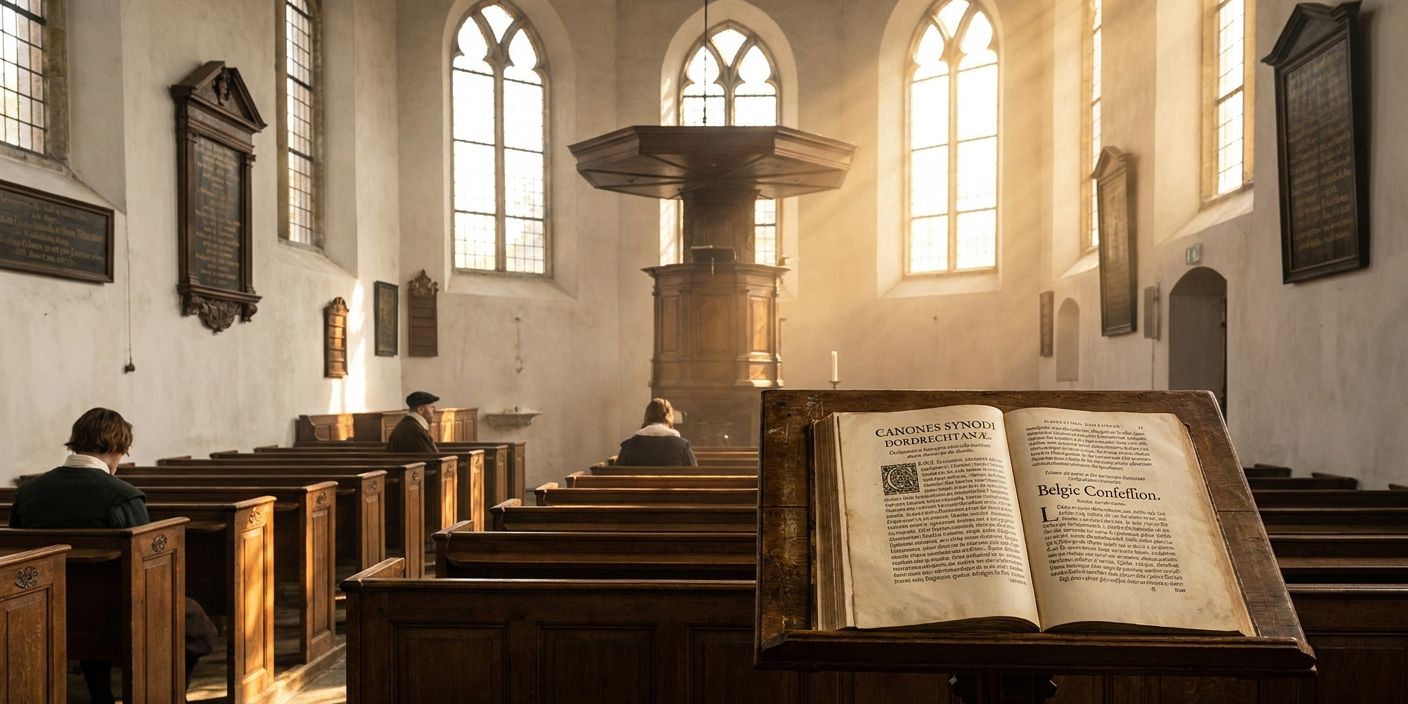
Like the catechisms of the Reformation era, the Modern Confession is designed to be a teaching tool. It can be used in confirmation classes, adult education, and personal study to give Christians a clear statement of what they believe and why.
Confessing the Faith Today
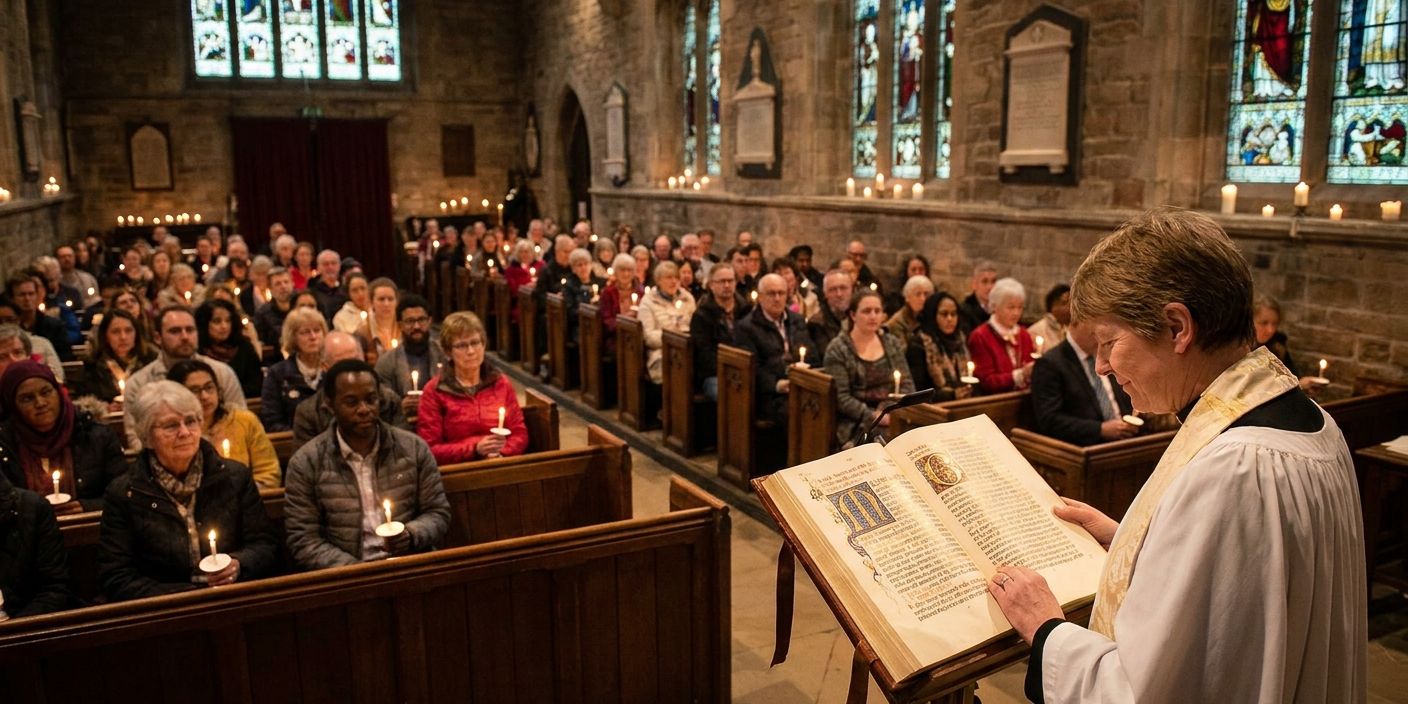
Writing a confession is an act of faith and courage. It is saying: this is what we believe, and we are willing to stand behind it. The church in every generation is called to guard the good deposit (2 Timothy 1:14) and confess the faith clearly to the world.
Read the Modern Confession
Explore the full text of the Modern Confession at ModernConfession.com.