The Canons of Dort: Grace, Sovereignty, and the Five Points
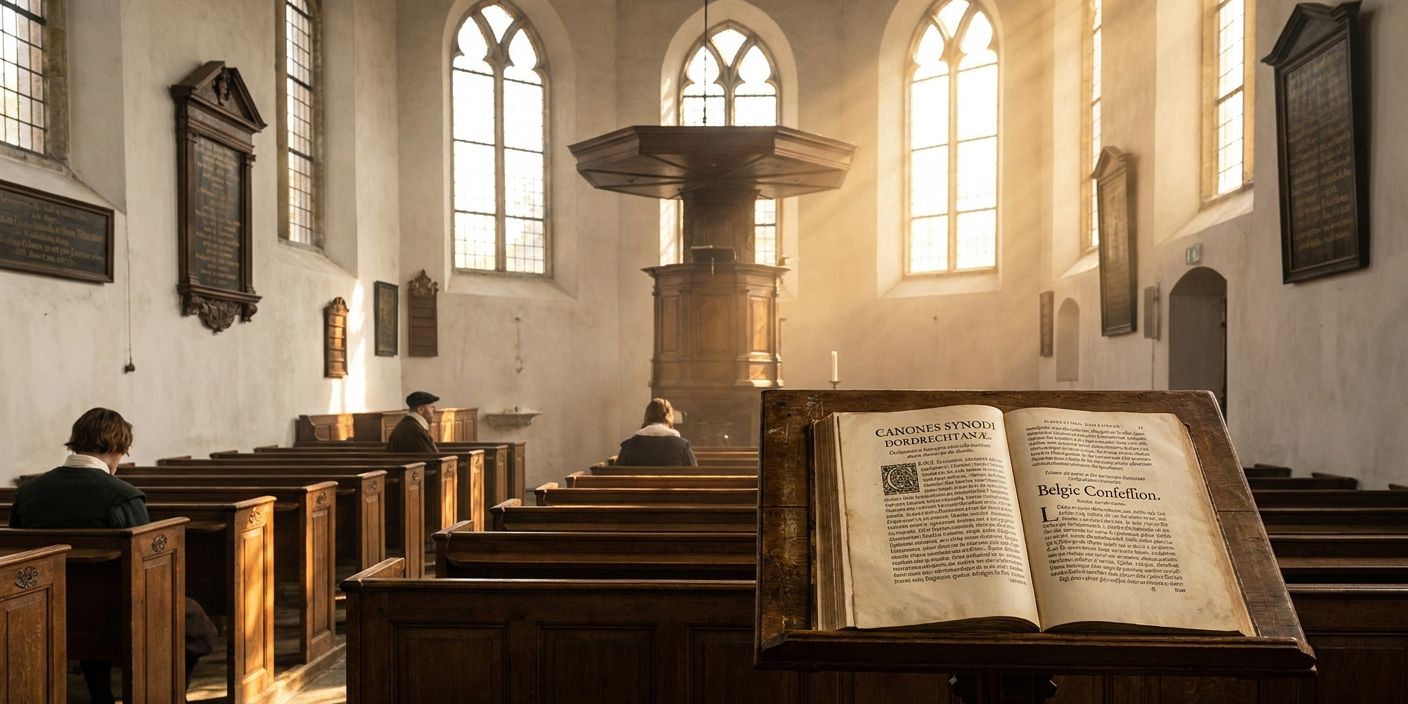
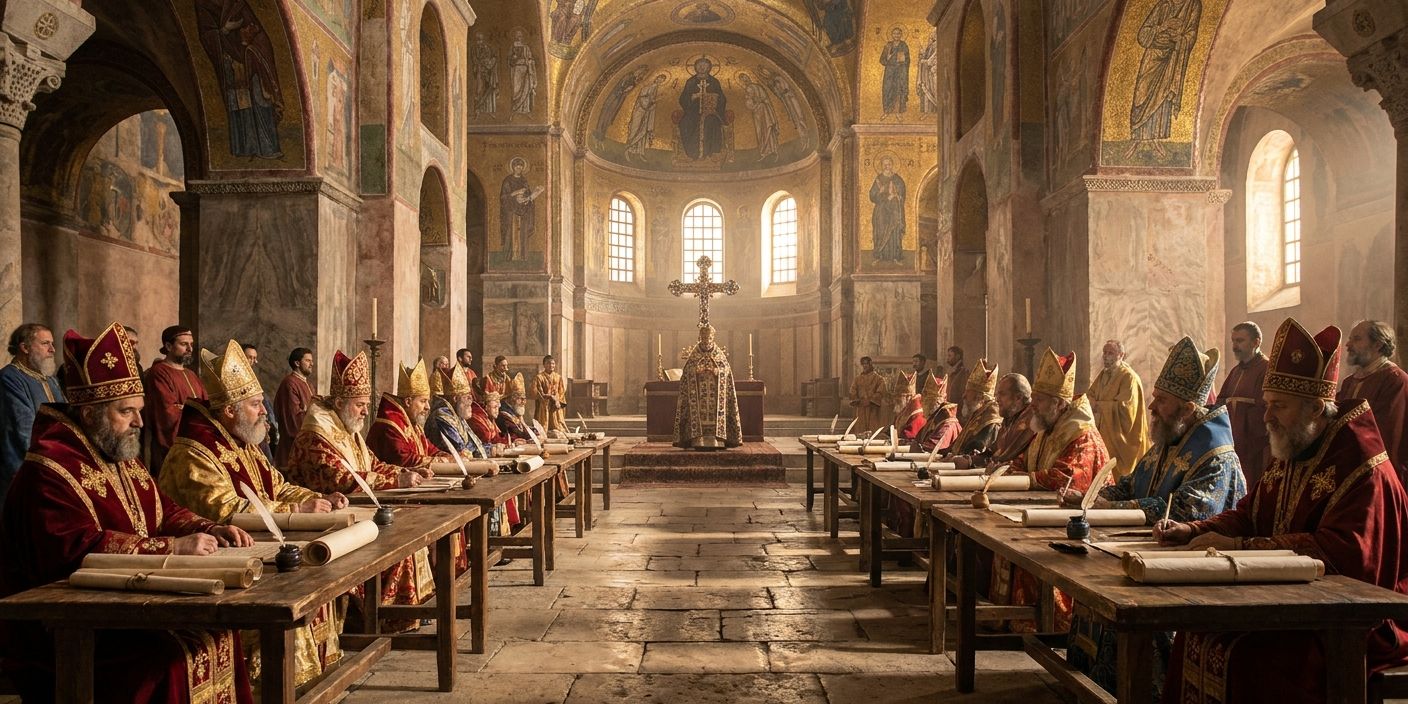
The Synod of Dort (1618-1619) was the most broadly international Reformed ecclesiastical gathering of the seventeenth century. Convened in Dordrecht, Netherlands, it drew representatives not only from the Dutch Reformed churches but from Great Britain, the German Palatinate, Switzerland, and several other Reformed territories. Its purpose was to adjudicate the controversy that had been roiling the Dutch church for years following the death of theologian Jacobus Arminius in 1609.
The Arminian Controversy
Arminius and his followers — the Remonstrants — submitted to the Dutch States General in 1610 a document setting out five points of disagreement with the strict Calvinist theology dominant in Dutch Reformed churches: conditional election (based on God's foreseen faith), universal atonement (Christ died for all without exception), partial depravity (humans retain some capacity to respond to grace), resistible grace (which humans can ultimately reject), and the possibility of falling from grace. The Synod of Dort was called to examine these claims in the light of Scripture and the Reformed confessional tradition.
The Canons of Dort responded to each of the five Remonstrant articles, producing what became known retrospectively as the 'Five Points of Calvinism' — Total Depravity, Unconditional Election, Limited (or Definite) Atonement, Irresistible Grace, and the Perseverance of the Saints (summarized by the acronym TULIP). The synod organized its response into four 'heads of doctrine,' but the five-point summary has proved durable in popular theological discourse.
What the Canons Actually Teach
The Canons of Dort are often misunderstood as cold and mechanical decrees. The documents themselves resist this characterization. On election, they insist that God chose 'out of mere grace, according to the sovereign good pleasure of his own will' — not arbitrarily but from the overflow of his sovereign freedom and love. On the perseverance of the saints, they provide extended pastoral comfort, assuring believers that God will not allow his elect to fall finally and totally from grace. The Canons are concerned not with theological architecture for its own sake but with the pastoral care of souls who need to know that their salvation rests in God's hands, not their own.
The Canons of Dort are also more careful than their popular reputation suggests on the question of the atonement. The third and fourth heads of doctrine (often combined) do not deny that Christ's death is sufficient for the sins of all people; they insist that it is efficient — actually saving — only for the elect. This is not a restriction on the free offer of the gospel: the Canons explicitly affirm that the gospel is to be preached to all people indiscriminately, and that the promise of forgiveness is genuinely extended to all who believe.
The Legacy of Dort
The Canons of Dort became part of the Three Forms of Unity, the doctrinal standards shared by Dutch and German Reformed churches alongside the Heidelberg Catechism and the Belgic Confession. Their influence on Reformed theology globally has been enormous: the Westminster Confession of Faith (1647) reflects similar convictions, as do the 1689 Baptist Confession, the Savoy Declaration, and numerous other confessional documents. The Canons of Dort represent the Reformed tradition's most sustained engagement with the question of how God's sovereign grace and human responsibility relate — an engagement that continues to shape Reformed piety, preaching, and mission to this day.