Confessions and Church Membership: How Confessions Define the Community of Faith
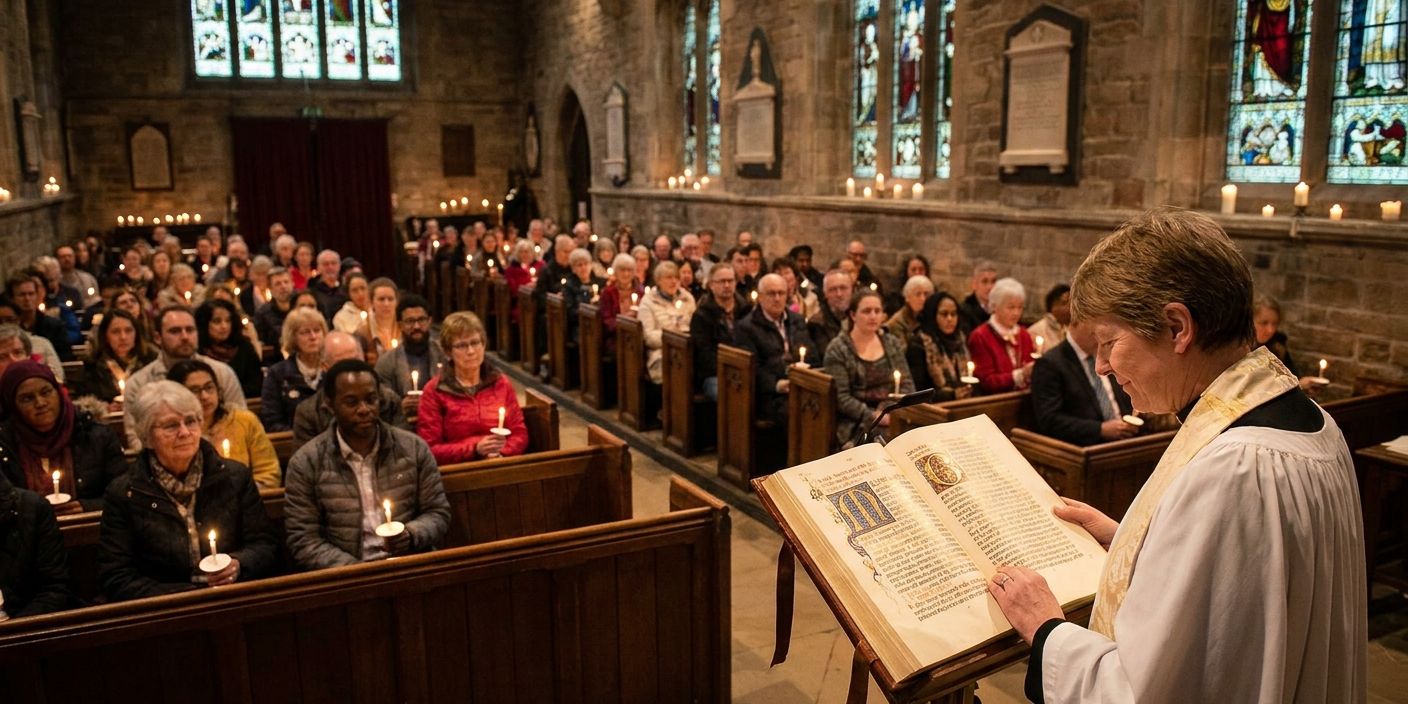
Every community defines its boundaries somehow. In the church, confessions of faith have long served this defining function — not primarily as tools of exclusion but as the articulation of what a community believes, who it is, and what it stands for. The relationship between confessional commitment and church membership has been one of the most contested and important questions in Christian ecclesiology across the centuries.
Confessions as Community Boundaries
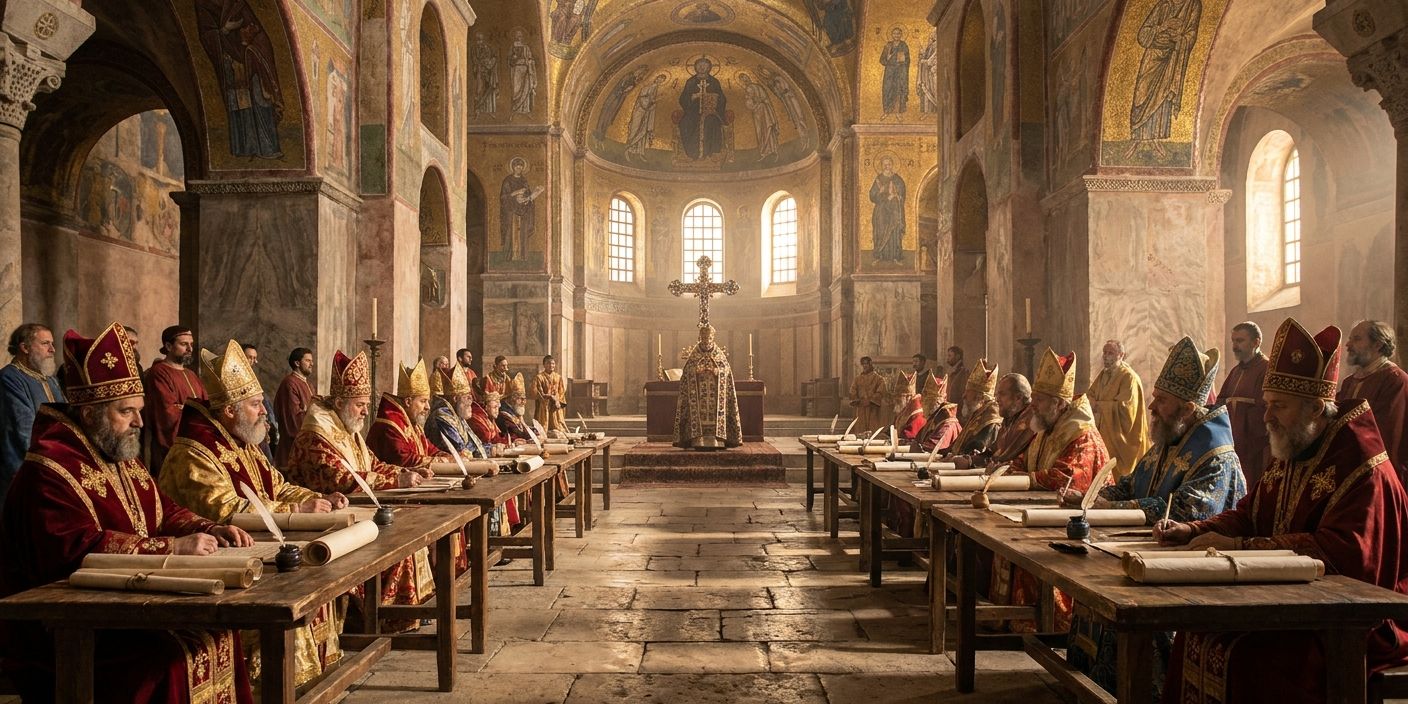
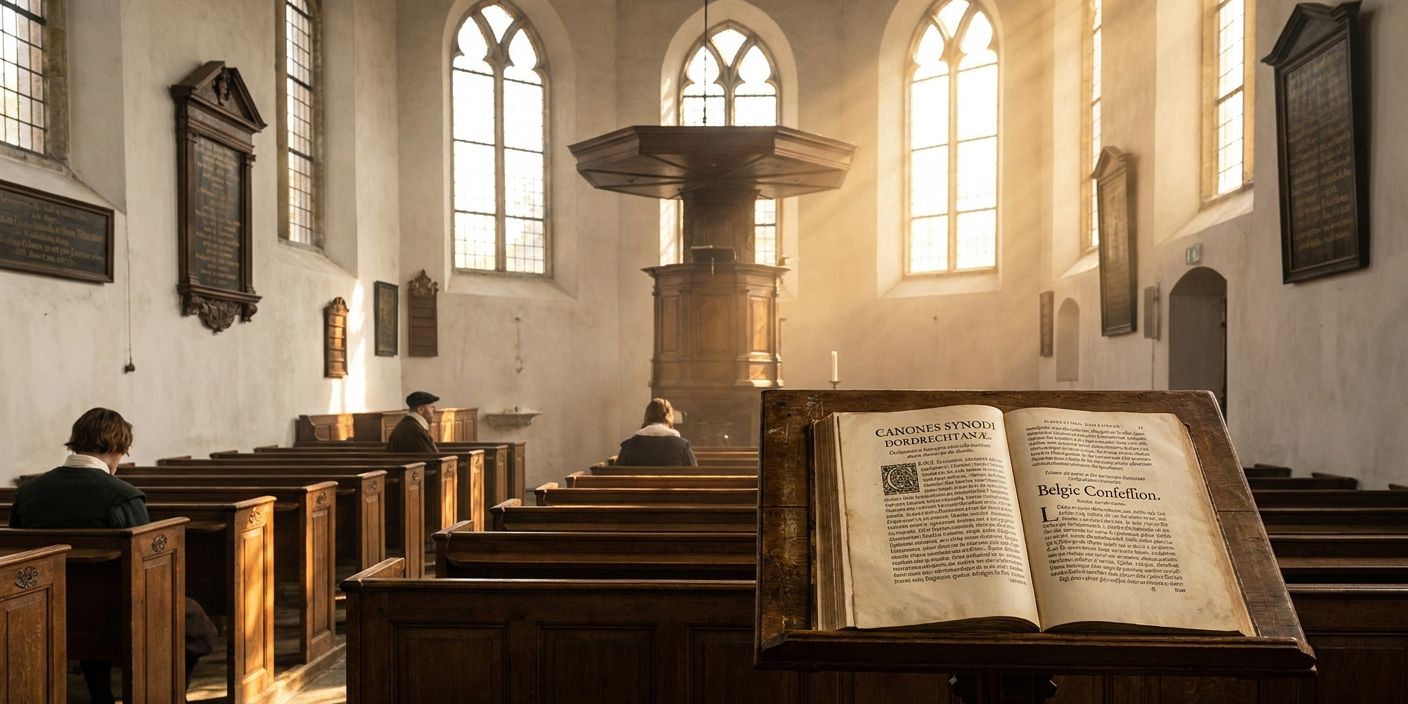
The earliest Christian communities used simple confessional formulas — Jesus is Lord, the baptismal interrogations, basic credal summaries — to mark the boundaries of their fellowship. To enter the community, one confessed the faith of the community. The development of more elaborate creeds and confessions in subsequent centuries extended this boundary-marking function into more complex doctrinal territory. By the time of the Reformation, confessional documents like the Augsburg Confession and the Westminster Standards served to define which churches were in fellowship with one another and which were not.
Subscription and Communion
Different churches handle confessional subscription differently. In strict confessionalist traditions — such as confessional Lutheran and Reformed churches — pastors and ruling elders are required to subscribe to the church's confessional standards without exception. This ensures that leadership is theologically unified and that the church's teaching ministry is consistent. In looser traditions, membership may require only a basic profession of faith in Christ, with confessional documents serving as historical guides rather than binding standards.
Confessions and Lay Membership
The relationship between confessions and lay membership is more varied. Many confessional churches require only a basic profession of faith from ordinary members, reserving full confessional subscription for ordained officers. Others invite all members into sustained engagement with the church's confessional heritage through catechesis. The Presbyterian practice of examining communicant members on their knowledge and belief — including some familiarity with the Westminster Standards — represents a middle way: confessions shape the community without being imposed as a litmus test for ordinary membership.
The Risk of Confessionalism Without Conversion
One persistent danger in confessional churches is the substitution of doctrinal precision for genuine faith. A person can subscribe to the Westminster Confession or the Augsburg Confession in every detail and remain unconverted. The Reformation itself was a protest against a church in which external conformity had crowded out personal faith. Confessional traditions at their best are aware of this danger and insist that confessional agreement must be accompanied by personal trust in Christ, not merely intellectual assent to correct propositions.
Confessions as Gift to the Community
At their best, confessions of faith are not barriers to membership but gifts to the community. They provide a common language for prayer, teaching, and dispute resolution. They connect the present congregation to the theological wisdom of previous generations. They give new members a framework for understanding what the community believes and why. And they create the kind of doctrinal stability that allows a church to weather theological controversy without fragmenting. A church that knows what it believes and can say so clearly is a church that can love its members and serve its community with coherence and confidence.