The Nicene Creed as a Confession of Faith: Why the Ancient Church Wrote It Down
The word 'creed' comes from the Latin credo — 'I believe.' It is a declaration, a commitment, a public act of faith. When the ancient church began writing formal confessions, it was not engaged in an academic exercise. It was responding to questions that could not be left unanswered: Who is Jesus? What is the nature of the God we worship? What must one believe to be baptized into the church? The Nicene Creed was born in that context of urgency.
The crisis that prompted the Council of Nicaea in 325 was the teaching of Arius, an Alexandrian presbyter who argued that the Son of God was a created being — the first and greatest of God's creatures, but not God in the fullest sense. Arius was a gifted preacher, and his ideas spread rapidly through hymns and popular teaching. The question he raised was existential: if the Son is not truly God, then the salvation he offers is not God's own action in our history. The gospel itself was at stake.
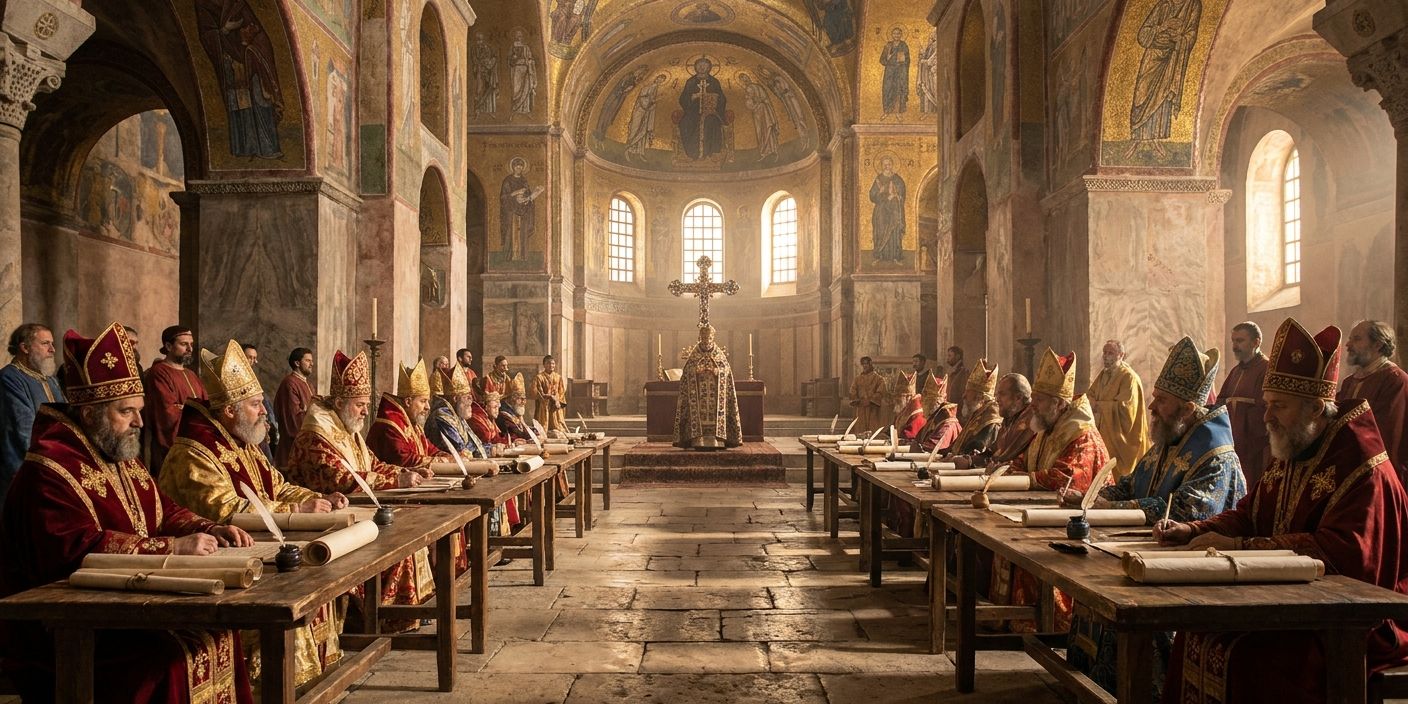
The Council of Nicaea responded with a formal confession — the original Nicene Creed — affirming that the Son is 'of one substance' (homoousios) with the Father. This single Greek word, absent from Scripture but faithful to Scripture's teaching, became the pivot on which the dispute turned. The Council of Constantinople in 381 expanded and completed the creed, adding the theology of the Holy Spirit that Gregory of Nazianzus and the Cappadocian Fathers had developed.
The Nicene Creed functioned in the ancient church as both a baptismal confession and a liturgical statement. New believers confessed it as they were baptized, making a public declaration of the faith they were entering. The whole congregation then confessed it together in worship, as an act of corporate praise and corporate identity. The creed was not merely an entrance requirement; it was a recurring act of allegiance.
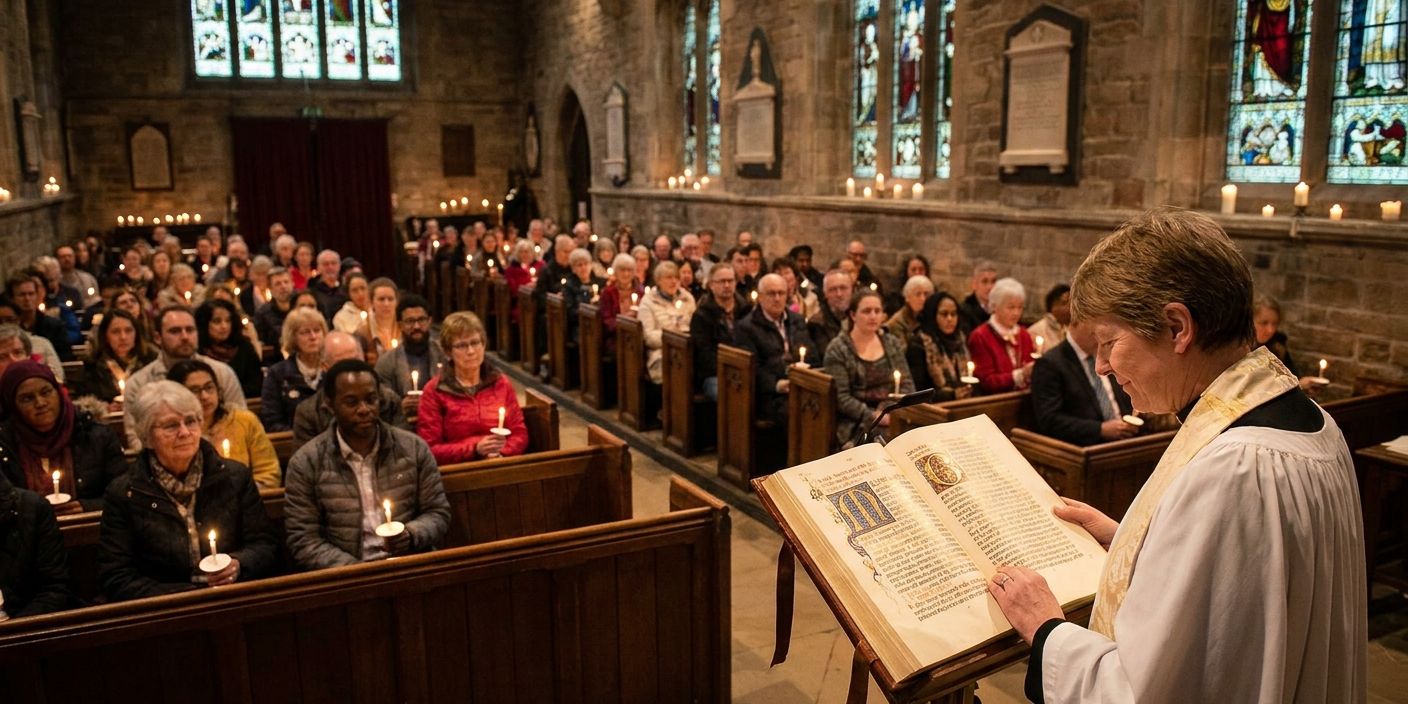
That dual function continues in many churches today. In liturgical traditions — Catholic, Orthodox, Lutheran, Anglican, Methodist — the Nicene Creed is spoken or sung at the Eucharist each week. To say the Nicene Creed is to join one's voice to an immense chorus stretching across time and space, participating in the same act of faith that has been performed by Christians in every century since 381.
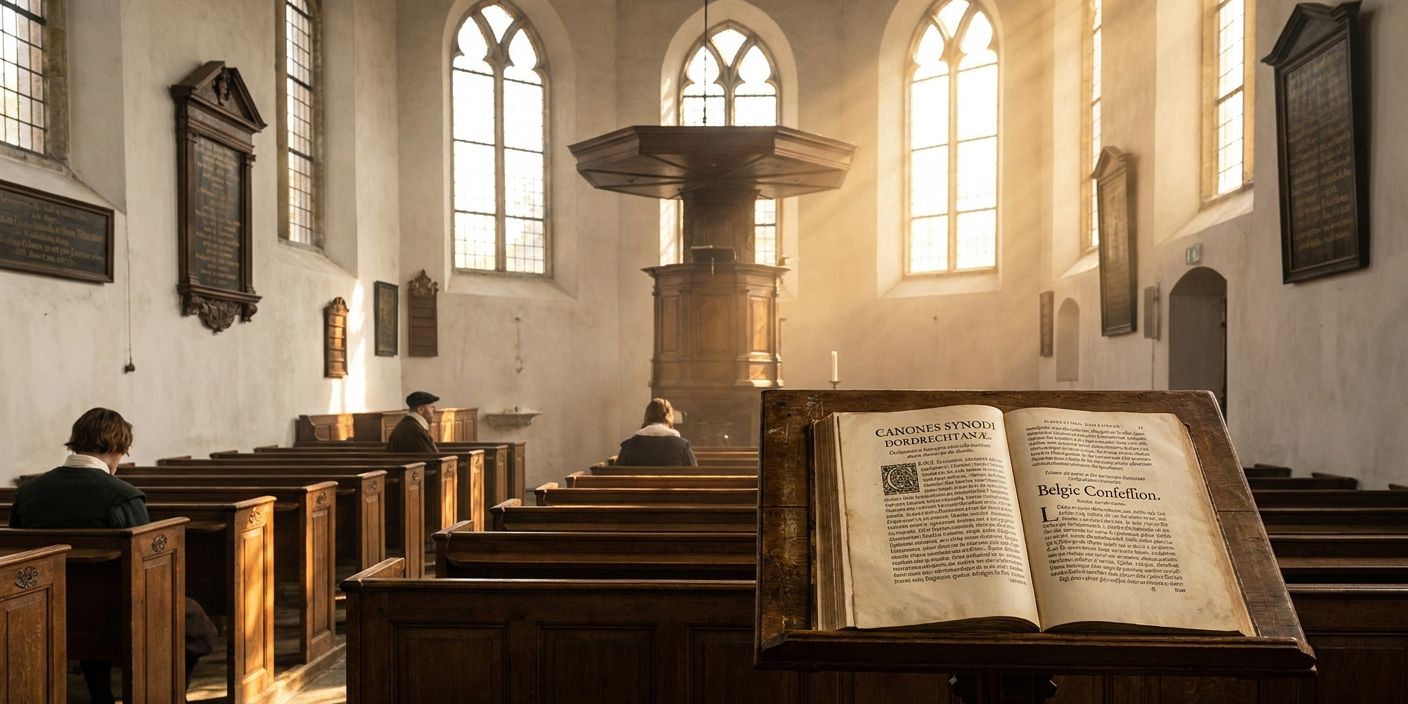
This is why formal confessions matter: they connect individual faith to the corporate, historical tradition of the church. A confession is not a private opinion or a personal preference. It is a public declaration, made in company with others, about what is true. The Nicene Creed is the most universal confession in Christian history, affirmed by Catholics, Orthodox, and most Protestants alike. To confess it is to confess with the church of all ages — to say not just 'I believe' but 'we believe.'