Creeds vs. Confessions: What's the Difference and Why It Matters

Walk into most theologically literate churches and you'll hear both words: "creed" and "confession." They're often used interchangeably, and while the distinction isn't always sharp, understanding the difference helps you navigate the history of Christian doctrine more clearly.
What Is a Creed?
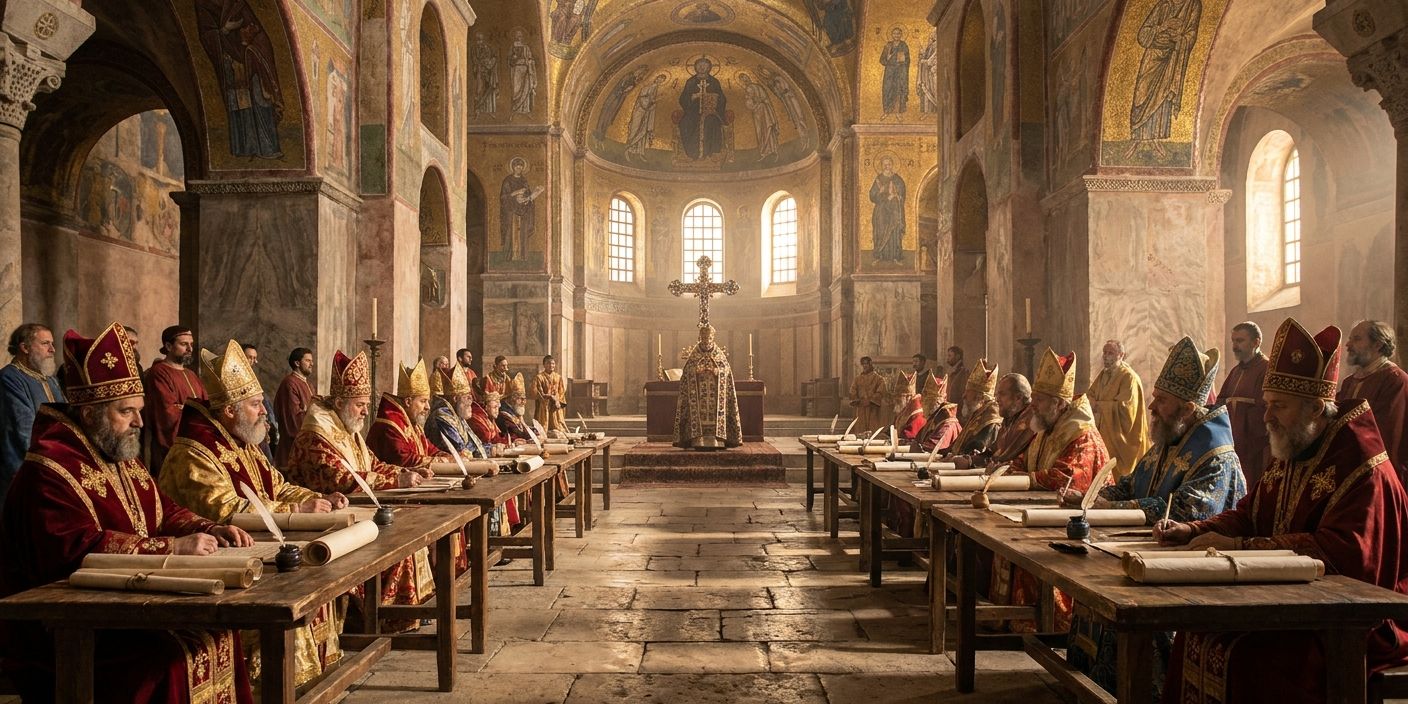
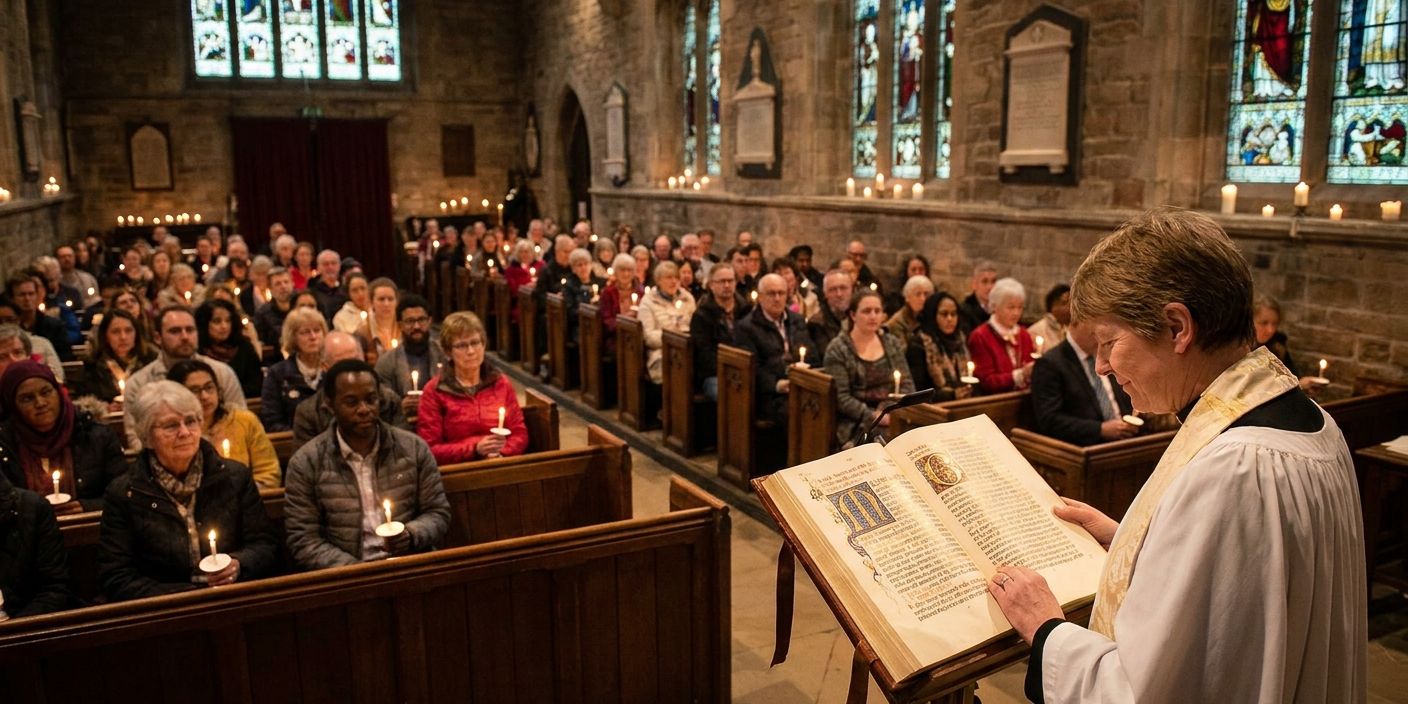
The word "creed" comes from the Latin credo, meaning "I believe." Creeds tend to be short, universal, and liturgical. They are designed to be spoken aloud in worship, memorized by children, and affirmed by the whole Church across traditions. The Apostles' Creed, the Nicene Creed, and the Athanasian Creed are the three great ecumenical creeds — received and affirmed by Christians across the full breadth of the Church.
Creeds are typically expressed in the first person ("I believe...") and focus on the core doctrines of the faith: the Trinity, the Incarnation, the Atonement, the Resurrection, and the Last Things.
What Is a Confession?
A confession is typically longer, more detailed, and more specific to a particular tradition. Where a creed says "I believe in the forgiveness of sins," a confession will spell out precisely what that means — who forgives, on what basis, by what means, and with what effect.
Confessions also tend to address questions that the ancient creeds did not need to answer: the nature of Scripture, the doctrine of the Church, the administration of the sacraments, the relationship between church and state. These were questions that arose more acutely during the Reformation and post-Reformation periods.
Both Are Subordinate to Scripture
The most important thing to understand about both creeds and confessions is that they are human documents. They carry authority not in themselves, but because — and only insofar as — they accurately express what Scripture teaches. This is why confessional churches speak of their standards as "subordinate standards."
This doesn't make them unimportant. It makes them profoundly important — because they represent the Church's careful, prayerful attempt to say clearly what God has clearly revealed.
Why This Site Focuses on Confessions
While creeds are covered at ChurchCreeds.com, ConfessionsOfFaith.com focuses on the longer confessional documents that have shaped the Church's life and doctrine over the centuries — the Westminster Confession, the Belgic Confession, the Augsburg Confession, and many more. These documents deserve careful study, and that is exactly what we aim to provide.