The Westminster Confession of Faith: Structure, Purpose, and Enduring Value
Few documents in the history of the Church have achieved what the Westminster Confession of Faith achieved. Drafted between 1643 and 1648 by an assembly of 121 ministers and theologians — known as the Westminster Assembly — it produced not only a confession of faith but also a Larger Catechism, a Shorter Catechism, a Directory for Public Worship, and a Form of Church Government. Together these documents, known as the Westminster Standards, have shaped Reformed and Presbyterian churches around the world for nearly four centuries.
The Historical Context
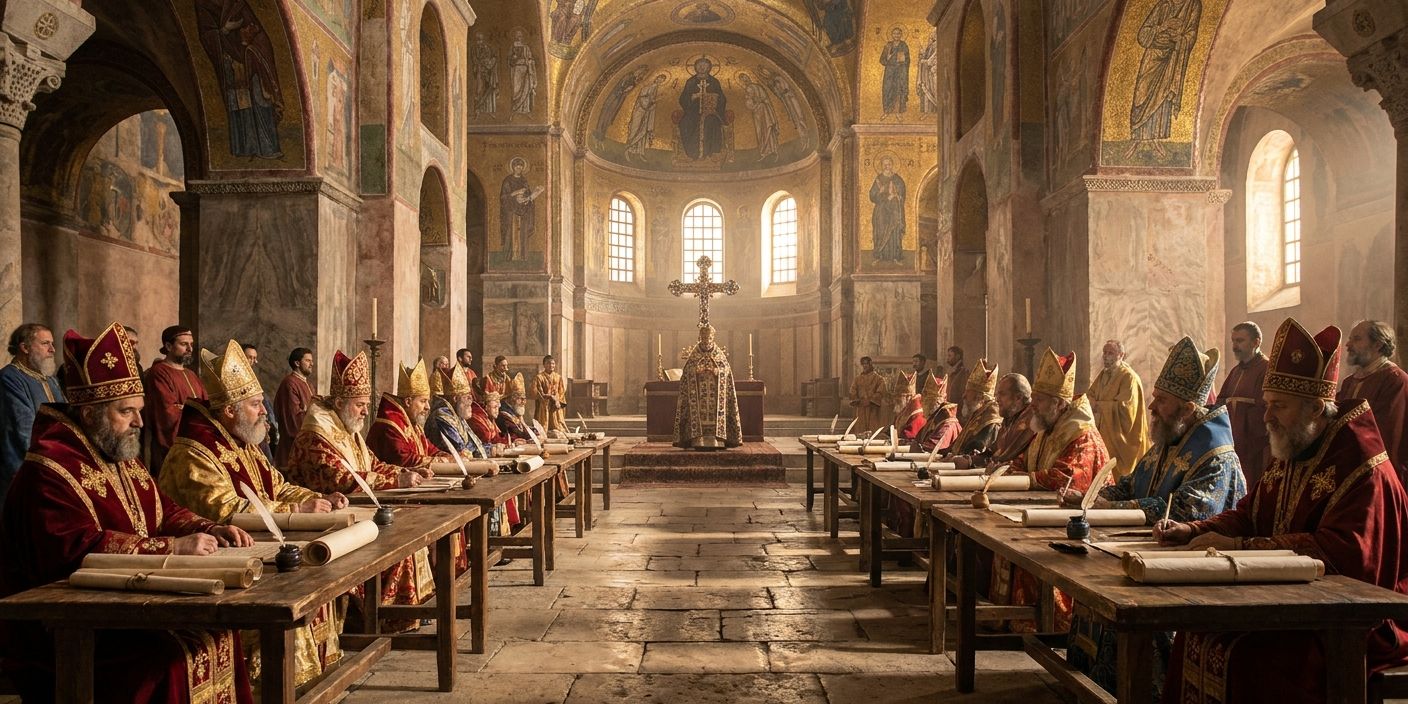
The Westminster Assembly was convened by the English Parliament in 1643, during the upheaval of the English Civil War. Parliament was at odds with King Charles I, and part of that conflict was theological: what kind of church would England have? The Assembly was tasked with reforming the Church of England along more thoroughly Reformed lines.
The Scottish Covenanters, who had already committed themselves to a Presbyterian settlement in Scotland, sent commissioners to assist. It was their influence, more than anyone else's, that gave the Westminster Standards their distinctly Presbyterian character.
The Structure of the Confession
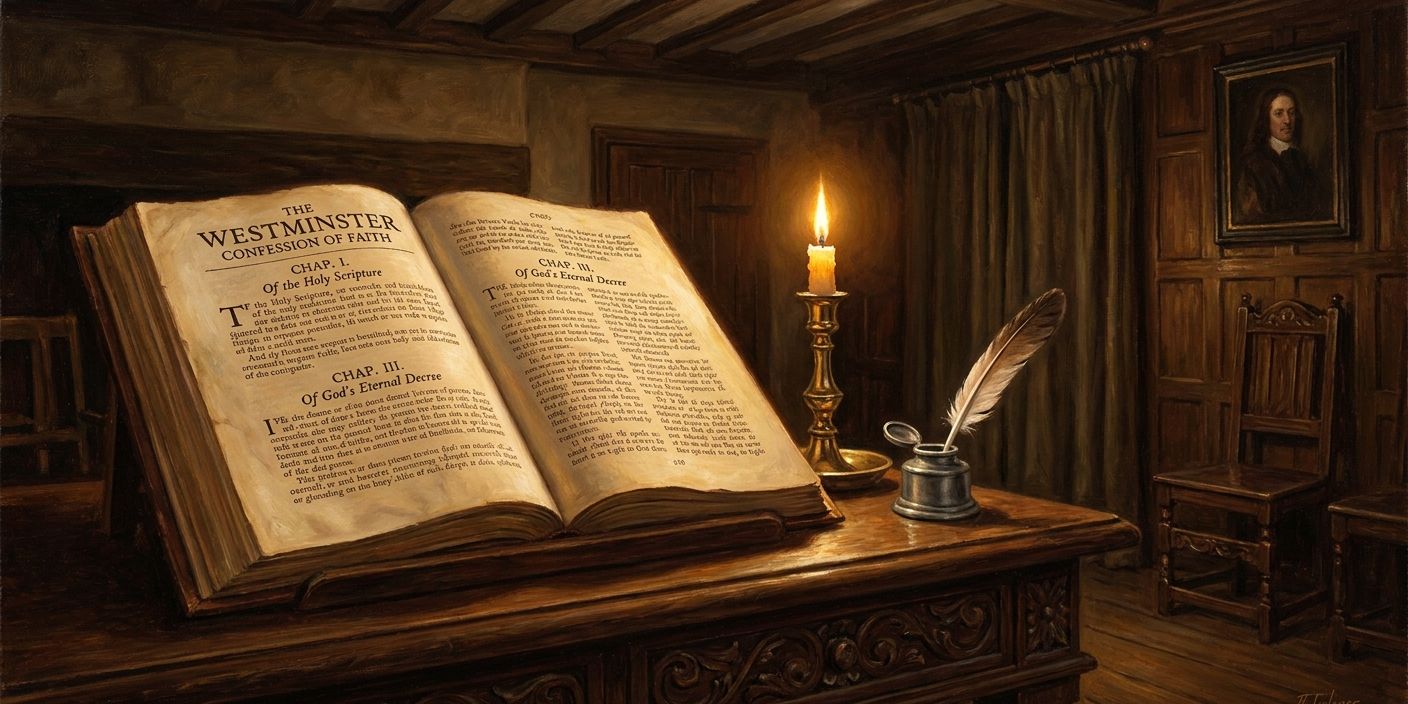
The Westminster Confession of Faith consists of 33 chapters, moving from the doctrine of Scripture (Chapter 1) through the doctrines of God, creation, the fall, covenant, Christ, salvation, the church, the sacraments, the last things, and finally the Christian life and final judgment. It is a comprehensive system — not a collection of isolated doctrines, but a unified theological vision.
Chapter 1, "Of the Holy Scripture," is particularly significant. Before saying anything about God, the Confession establishes the ground of all that follows: Scripture alone is the supreme rule of faith and practice, and its authority derives not from the church but from God himself.
The Confession's Enduring Value
What makes the Westminster Confession so enduring is not merely its thoroughness but its pastoral warmth. These were not ivory-tower academics; they were pastors who had seen the chaos of religious confusion, who had watched the church torn apart by speculation and novelty. They wrote to give the Church a firm foundation.
The Shorter Catechism opens with one of the most beautiful sentences in all of Christian literature: "Man's chief end is to glorify God, and to enjoy him forever." That is not the language of cold scholasticism. That is the language of men who loved God and wanted the Church to love him too.