The London Baptist Confession of 1689: Where Baptists Meet Reformed Orthodoxy
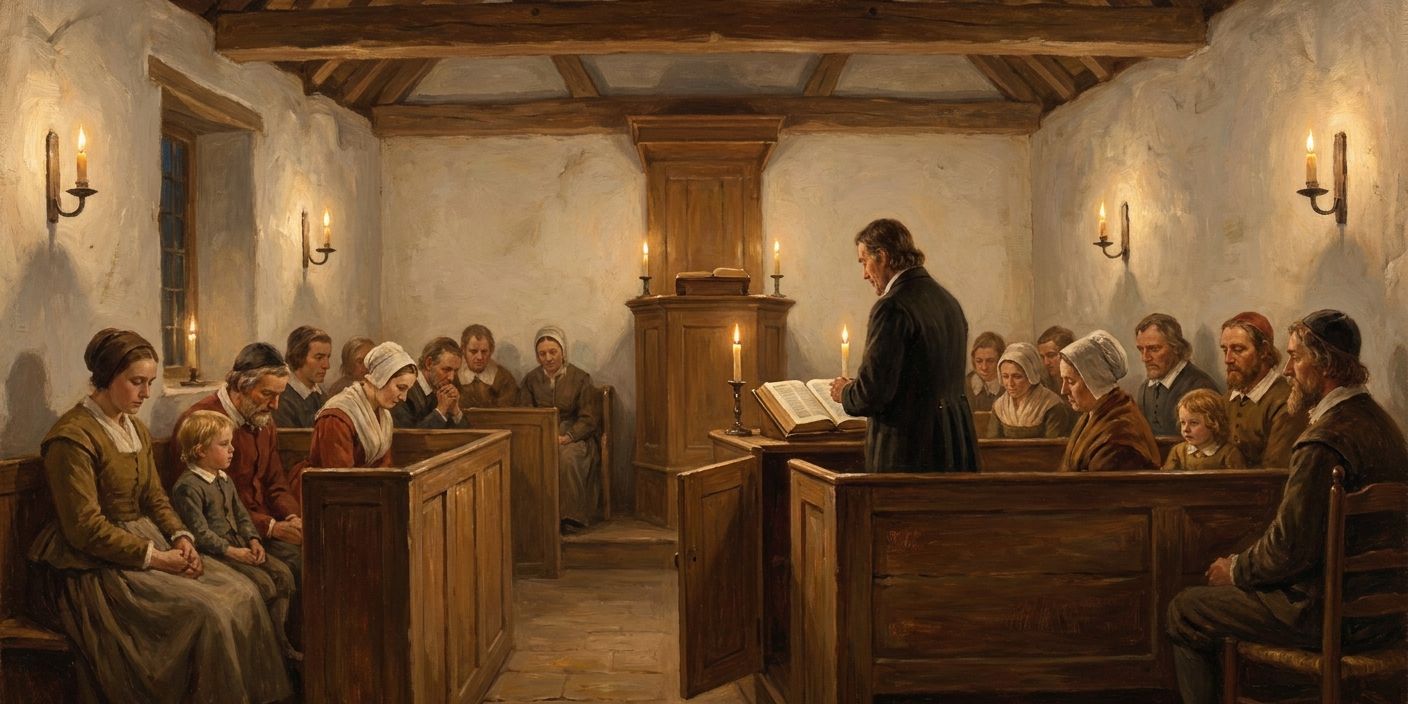
When most people think of Baptists, they don't immediately think of confessional theology. But the Second London Baptist Confession of Faith (1689) stands as evidence that the earliest Baptists were thoroughly orthodox, deeply confessional, and committed to the great tradition of Reformed theology — differing from their Presbyterian brothers primarily on the questions of baptism and church government.
The Historical Background
The 1689 Confession was not written from scratch. Its authors — a group of Particular (Calvinist) Baptist pastors meeting in London — consciously modeled it on the Westminster Confession of Faith and the Savoy Declaration (the Congregationalist revision of Westminster). They wanted to demonstrate their theological solidarity with the broader Reformed tradition while articulating distinctly Baptist convictions.
The timing was significant: the Confession was published in 1689, the same year as the Glorious Revolution and the Act of Toleration, which finally granted legal recognition to Nonconformist churches in England.
What Makes It Distinctly Baptist
The most significant departures from Westminster concern baptism and the church. Where Westminster affirms infant baptism, the 1689 Confession teaches that baptism is for those who actually profess repentance and faith — what Baptists call "believer's baptism." This reflects a different understanding of the nature of the covenant community and the church.
The Confession also affirms a congregational rather than presbyterian form of church government, with each local congregation being the primary expression of the church.
Its Enduring Legacy
For nearly three centuries, the 1689 Confession was used inconsistently across Baptist life. But beginning in the late twentieth century, a renewed interest in Reformed theology among Baptists brought the Confession back into prominence. Today it is the confessional standard of many Reformed Baptist churches around the world.
Its enduring value lies in its comprehensiveness and theological precision. At 32 chapters, it addresses virtually every area of Christian doctrine and provides a robust framework for church life and Christian discipleship.