The Anglican Confession: The Thirty-Nine Articles Explained
The Origins of the Thirty-Nine Articles
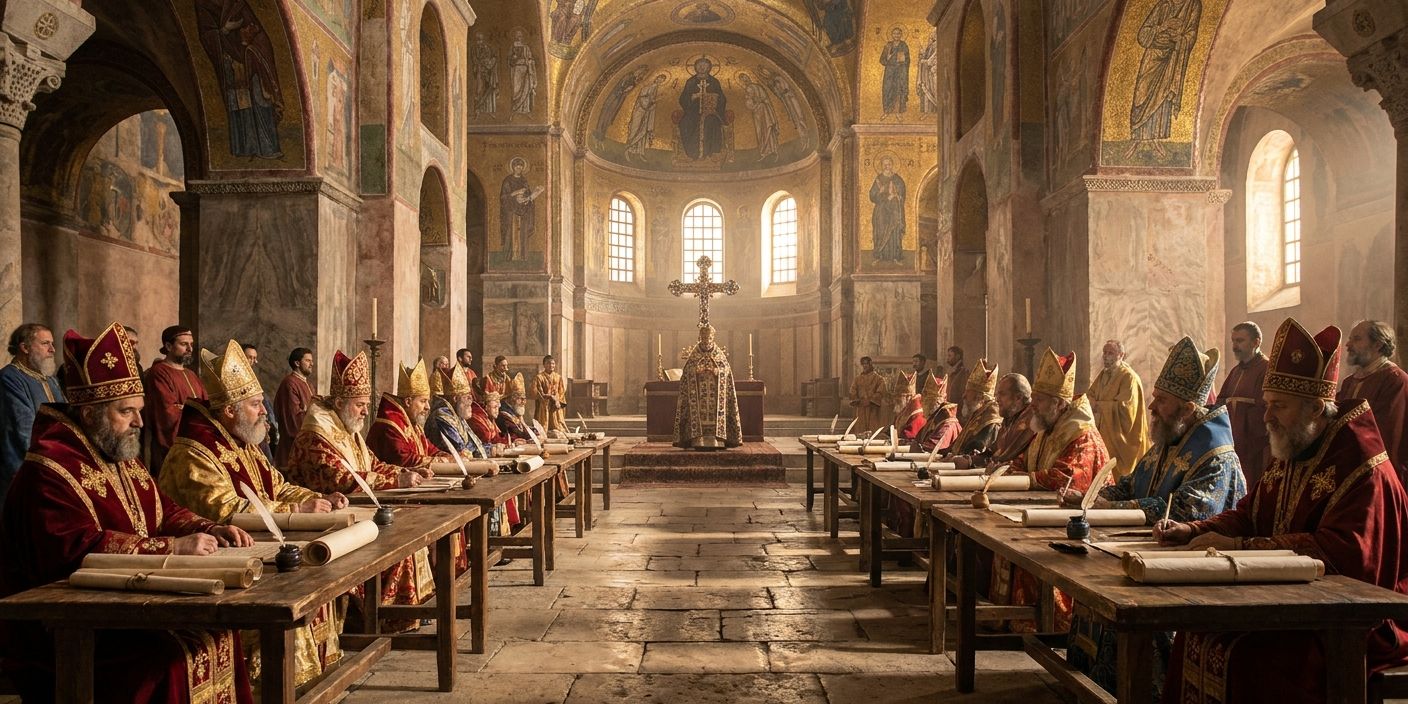
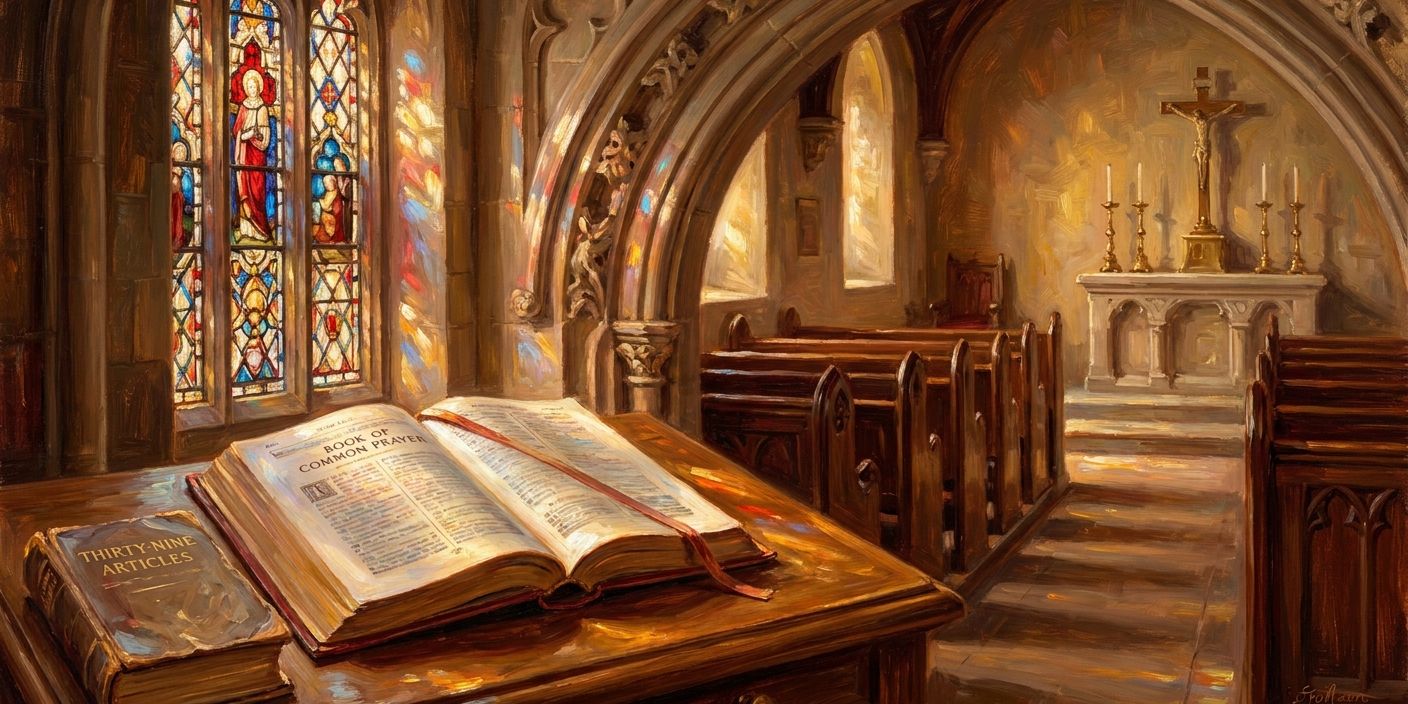
The Thirty-Nine Articles of Religion were finalized in 1571 under Queen Elizabeth I, building on earlier Reformed articles from the reign of Edward VI. They were designed to define Anglican doctrine as clearly Protestant while maintaining some doctrinal flexibility — a deliberate via media (middle way) between Roman Catholicism and more radical Protestantism.
What the Articles Teach
The Articles cover the Trinity, Scripture, sin, justification, and the sacraments with a Reformed lean. Article 11 affirms justification by faith alone: “We are accounted righteous before God, only for the merit of our Lord and Saviour Jesus Christ by Faith.” Articles 9–18 address sin, free will, predestination, and works.
On Scripture and Tradition
Article 6 declares that “Holy Scripture containeth all things necessary to salvation.” This was a direct break from Rome’s dual authority of Scripture and tradition. The Articles affirm Scripture as the supreme rule of faith while still valuing the early creeds and councils that agree with Scripture.
On the Sacraments
The Articles affirm two sacraments — baptism and the Lord’s Supper — and reject five others claimed by Rome. On the Lord’s Supper, Article 28 rejects transubstantiation, though the Articles allow room for differing views on Christ’s presence, contributing to the breadth of Anglican practice.
The Anglican Tradition Today
The Thirty-Nine Articles have shaped Anglican churches worldwide for centuries. Though their authority varies by province, they remain the foundational confessional standard of historic Anglicanism and a rich resource for any Christian seeking to understand the Reformation tradition.
Explore the Anglican Confession
Read the full text of the Thirty-Nine Articles and learn more at AnglicanConfession.com.