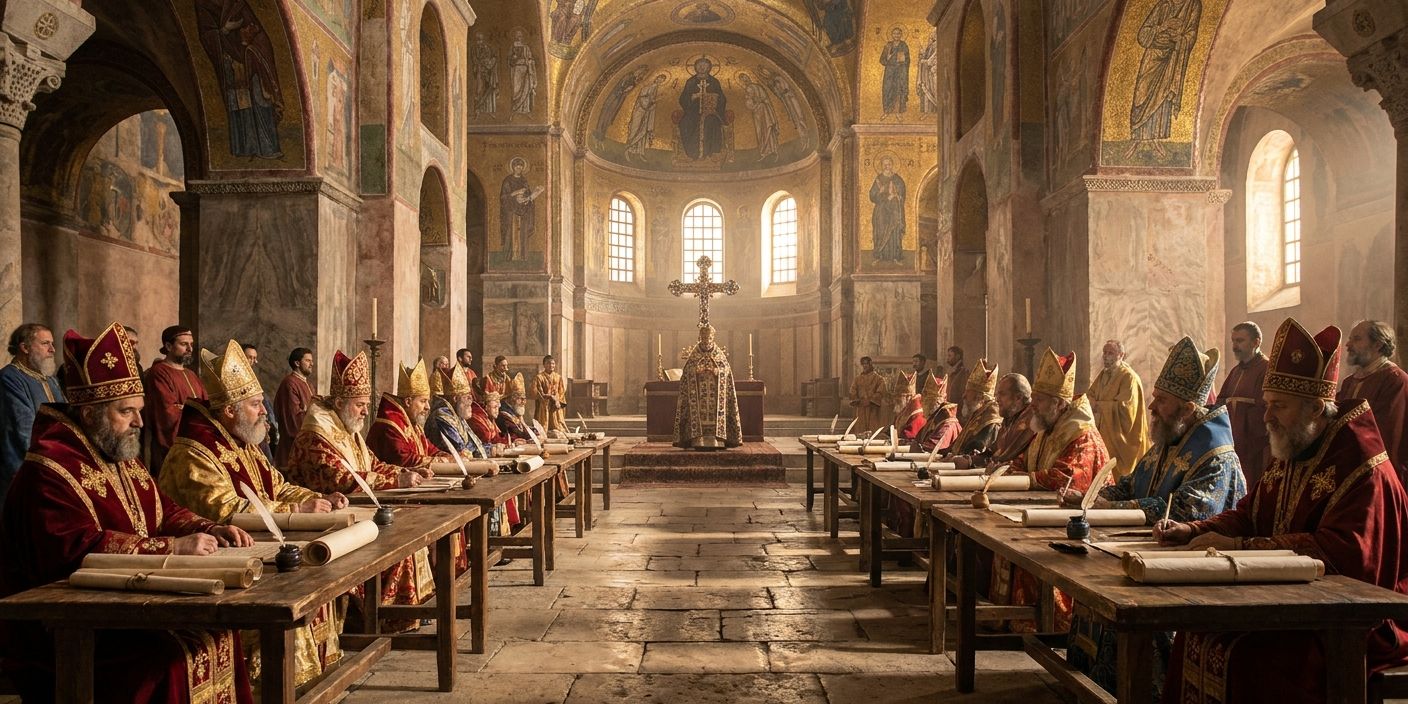
The Belgic Confession: The Reformed Church's Declaration of Faith
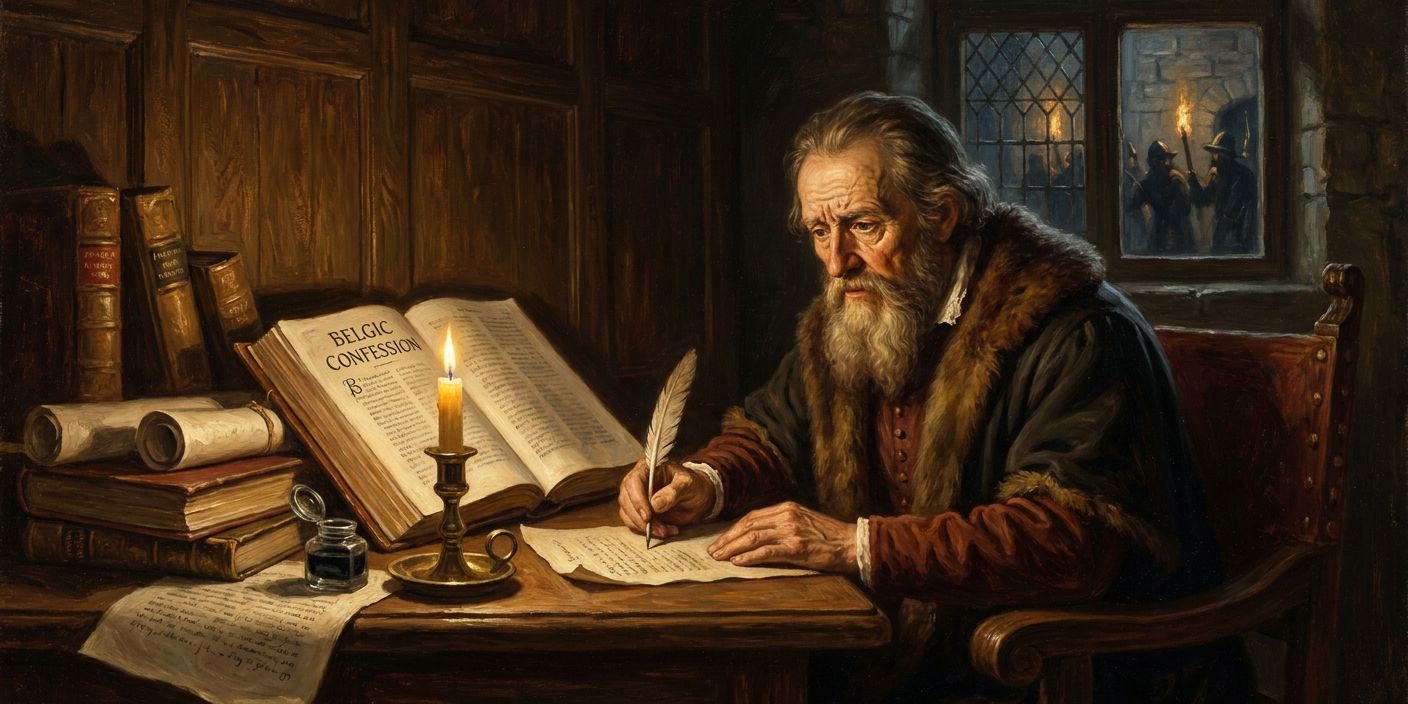
Written Under Threat
The Belgic Confession was written in 1561 by Guido de Brès, a Reformed pastor in what is now Belgium, under threat of persecution from the Spanish Duke of Alba. De Brès had a copy thrown over the wall of Philip II’s castle — an act of extraordinary courage. He was later executed for his faith in 1567.
Purpose and Structure
The Confession was written to show Spanish authorities that Reformed believers were not dangerous revolutionaries but faithful Christians who believed in Scripture. It is organized in 37 articles covering God, Scripture, creation, humanity, sin, Christ, salvation, the church, sacraments, and civil government.
The Three Forms of Unity
The Belgic Confession is part of what Reformed churches call the Three Forms of Unity, alongside the Heidelberg Catechism and the Canons of Dort. Together these three documents define the doctrinal standards of many Reformed denominations around the world.
Key Doctrines in the Confession
Article 2 contains the famous teaching on general and special revelation — that God is known both through creation and through Scripture. Article 7 affirms sola scriptura, that Scripture alone is the supreme authority. Articles 14–26 unfold the Reformed understanding of sin, grace, and salvation in Christ.
On the Church
The Confession includes a robust doctrine of the church, defining the true church by the pure preaching of the gospel, proper administration of the sacraments, and the exercise of church discipline. These marks of the true church have guided Reformed ecclesiology ever since.
Read the Full Confession
Explore the Belgic Confession and its historical context at BelgicConfession.net, and browse related confessions at ConfessionsOfFaith.com.