What Is a Confession of Faith? Why the Church Has Always Written Them
More Than a Statement of Belief
The word "confession" comes from the Latin confessio, meaning to declare openly or to acknowledge. When the Church writes a confession of faith, she is doing exactly that — making a public, formal declaration of what she believes, teaches, and confesses before God and the world.
Unlike a creed, which tends to be brief and universal, a confession is typically longer, more detailed, and often represents the convictions of a particular tradition or communion. Where the Apostles' Creed can be recited by virtually every Christian, the Westminster Confession of Faith represents the theological distinctives of the Reformed tradition.
Why the Church Has Always Written Confessions
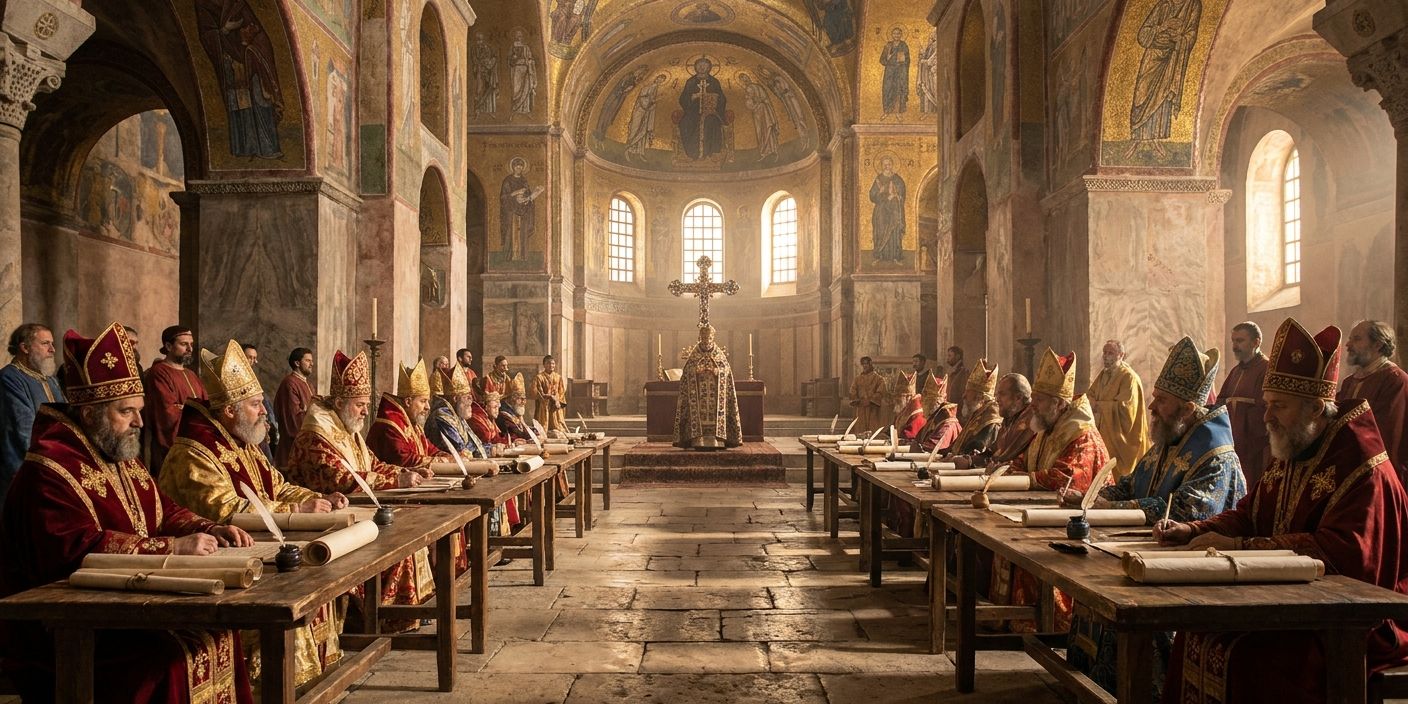
Confessions have always arisen in response to something. The early church wrote creeds to combat heresy. The Reformers wrote confessions to distinguish their teaching from Rome. The Puritans wrote the Westminster Standards to settle theological disputes and provide doctrinal clarity for the church in England and Scotland.
This is not a sign of weakness. It is a sign of love — love for the truth, love for the people of God, and love for those who come after. A confession preserves what has been agreed upon so that each generation does not have to start from scratch.
Confessions Are Not Scripture
A healthy confessionalism always keeps the confession in its proper place. Confessions are subordinate standards — authoritative not in themselves, but because they faithfully summarize Scripture. They are the Church's best attempt to say what God has said. That means they can be revised, and have been, when found to be in error.
The Westminster Confession itself has been revised multiple times by different denominations. This is a feature, not a bug. A confession that cannot be corrected by Scripture has become an idol.
Reading Confessions Today
Whether you belong to a confessional denomination or not, reading the historic confessions of the Church is one of the most rewarding ways to grow in your knowledge of Christian doctrine. You are not reading one man's opinion — you are reading the collective theological labor of some of the most learned and godly men the Church has ever produced.
That is why this site exists: to make the confessions accessible, readable, and applicable for the church today.