The Lutheran Confession: Faith, Grace, and the Reformation Legacy
What Makes a Confession “Lutheran”?
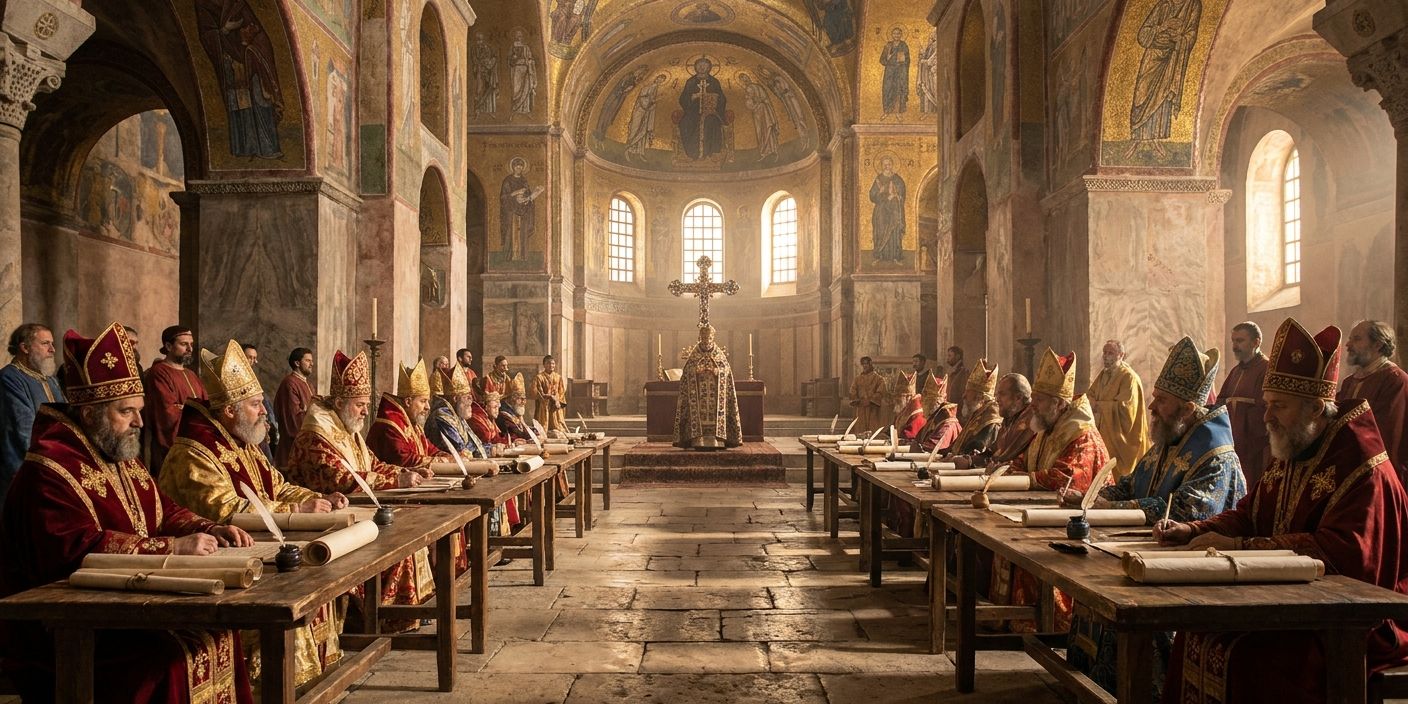
The Lutheran Reformation produced a remarkable body of confessional documents in the sixteenth century. Unlike Reformed churches, which produced many separate confessions across different regions, Lutheran churches collected their key documents into a single volume: the Book of Concord, published in 1580.
The Book of Concord
The Book of Concord contains the three ecumenical creeds (Apostles’, Nicene, and Athanasian), Luther’s two Catechisms, the Augsburg Confession and its Apology, the Smalcald Articles, the Treatise on the Power of the Pope, and the Formula of Concord. Together they form the complete confessional standard of confessional Lutheran churches.
Luther’s Two Catechisms
Luther wrote both a Small Catechism (for households and children) and a Large Catechism (for pastors and teachers) in 1529. The Small Catechism covers the Ten Commandments, the Apostles’ Creed, the Lord’s Prayer, and the sacraments in memorable question-and-answer form. It has been called “the layman’s Bible.”
Law and Gospel at the Center
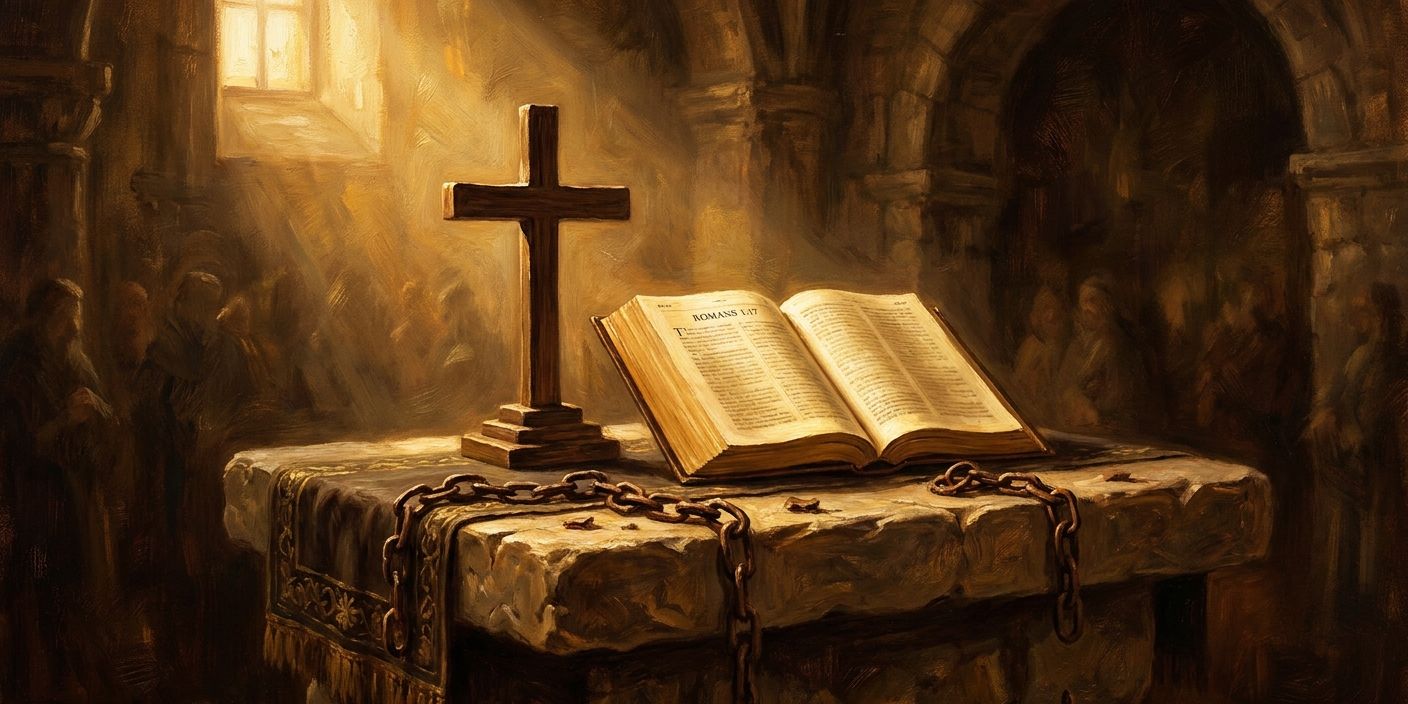
Lutheran theology is organized around the distinction between Law and Gospel. The Law reveals sin and brings the knowledge of God’s wrath. The Gospel announces forgiveness and life through Christ’s death and resurrection. This distinction governs Lutheran preaching, teaching, and devotion to this day.
The Reformation Legacy
The Lutheran confessional tradition has shaped Christianity worldwide — through Bach’s music, Luther’s hymns, Lutheran missions, and institutions of learning. It represents a rich heritage of theology rooted in Scripture and expressed in corporate confession.
Explore the Lutheran Confession
Learn more about the Lutheran confessional tradition at LutheranConfession.com, and read the Augsburg Confession at AugsburgConfession.info.