The Three Forms of Unity: The Backbone of Reformed Confessionalism

If Westminster is the confession of the Scottish and English Reformed tradition, the Three Forms of Unity are the confessional heartbeat of the Dutch Reformed tradition. Together they consist of the Belgic Confession (1561), the Heidelberg Catechism (1563), and the Canons of Dort (1619) — three documents that give a comprehensive account of Reformed doctrine, practice, and piety.
Why "Three Forms of Unity"?
The name is instructive. These three documents are not competitors but companions. They approach the faith from different angles: the Belgic Confession is a systematic statement of doctrine; the Heidelberg Catechism is a warm, pastoral guide to Christian living and belief; and the Canons of Dort address the specific controversy about salvation that erupted in the early seventeenth century.
Together they form a unity — not the unity of a single document, but the unity of a coherent theological tradition that has proven remarkably durable.
The Belgic Confession
Written in 1561 by Guido de Brès, a Reformed pastor in the Spanish Netherlands, the Belgic Confession was originally addressed to King Philip II of Spain to demonstrate that the Reformed churches were not rebels but faithful Christians holding to apostolic doctrine. De Brès was later martyred for his faith.
The Heidelberg Catechism
Written in 1563 at the request of Elector Frederick III of the Palatinate, the Heidelberg Catechism is structured around three themes drawn from Paul's letter to the Romans: guilt, grace, and gratitude. Its famous first question — "What is your only comfort in life and in death?" — sets the tone for everything that follows: this is a document of pastoral warmth, designed to bring the doctrines of the faith to bear on the lives of ordinary Christians.
The Canons of Dort
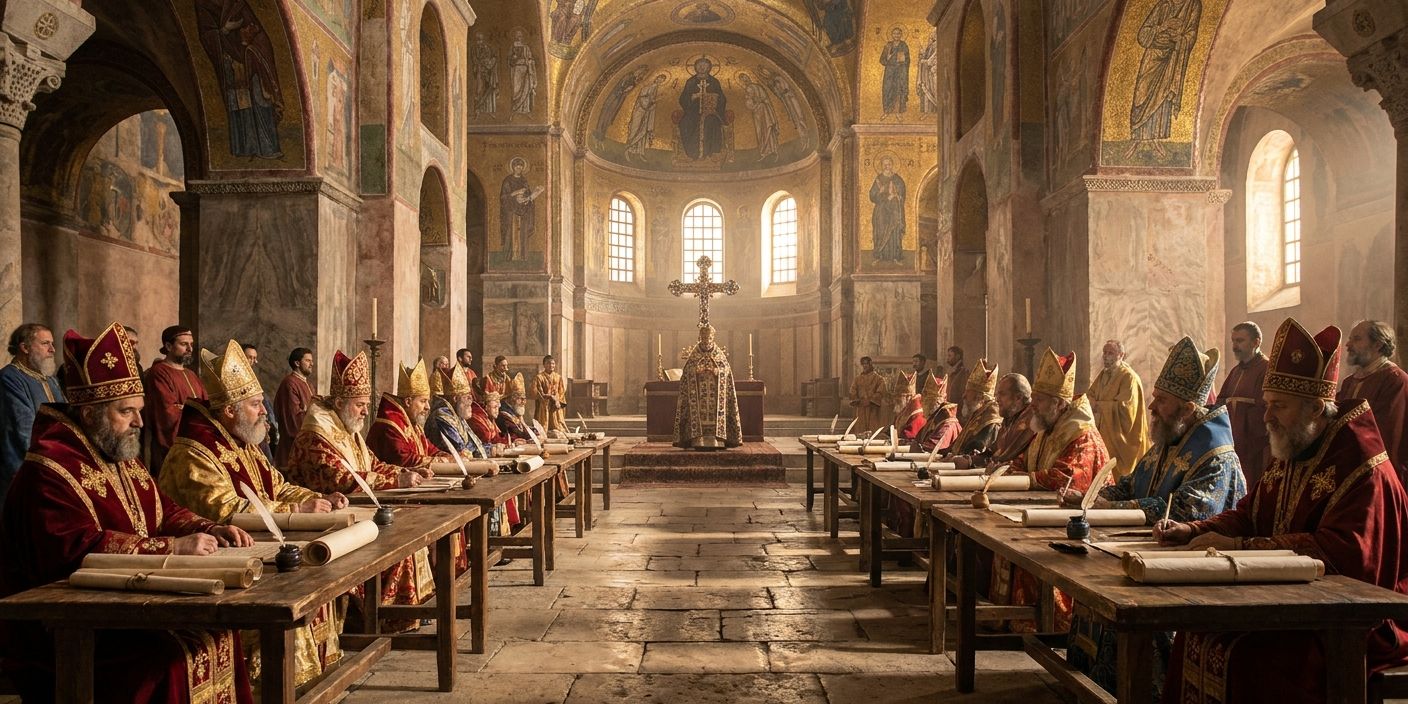
The Canons of Dort emerged from the Synod of Dort (1618–1619), convened in response to the Arminian controversy. The Remonstrants had submitted five articles challenging key points of Reformed soteriology. The Synod responded with what we know today as the Five Points of Calvinism: total depravity, unconditional election, limited atonement, irresistible grace, and the perseverance of the saints.